
gardening
Urban Gardening in the Heat: Simple Strategies for Philly’s Scorching Summer



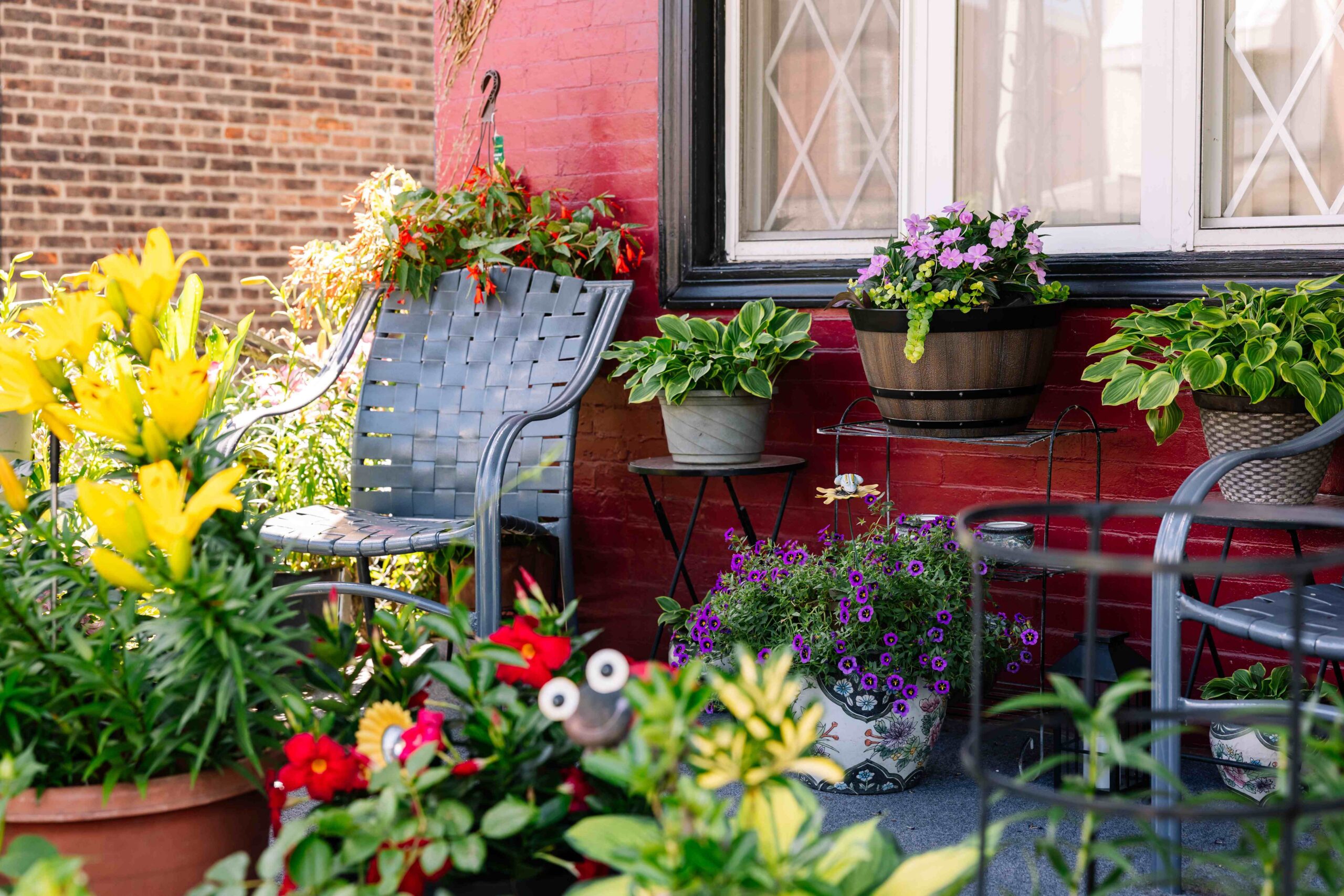
PHS Curb Appeal Challenge, Becca Mathias. Image courtesy of PHS.
Remember when extreme temperatures in Philadelphia didn’t peak until late July? This summer, dangerous heat waves started in June, leaving gardens parched and withering. If your plants are struggling, you aren’t alone. We spoke with Andrew Bunting, Vice President of Horticulture at PHS, to get his best tips on protecting your Philly garden from extreme summer heat.
“Keeping plants alive during periods of extreme heat and drought on terraces, rooftops, patios and stoops can be very difficult,” said Bunting. “It is critical that plants stay well saturated. This might require watering more than once a day.” For those who do not work from home or will be away for the weekend, Bunting suggests a system with drip irrigation and a timer to allow watering more than once a day.
“If possible, saucers can be placed under plant trays filled with water to augment watering, but this should only be a temporary measure since these saucers can be sites for mosquitoes to breed and if plants sit in water for too long, it can lead to root rot,” said Bunting. “If possible, plants can also be moved out of direct sunlight and into the shade.”
What about container gardens on balconies or in small yards? “In the height of summer, they can quickly become a heat trap – especially in dense, urban environments. Built from concrete, stone, tiles and metal, these are materials that absorb heat during the day and continue to radiate it long after the sun goes down. These spaces are often significantly hotter, windier, and drier than people realize because they’re surrounded by heat-reflecting surfaces like concrete, brick, glass, and metal,” he said.
“One simple trick that can help plants cope with extreme heat is to move containers closer together. While it won’t lower temperatures dramatically, grouping pots creates a small micro-climate that can reduce heat stress and slow moisture loss,” said Bunting. “When plants are clustered together, their leaves naturally shade one another and help protect surfaces from direct sun. This is particularly beneficial for container plants, where compost and roots can become much hotter than the surrounding air.”
House Cooling Plants
Consider stocking up on houseplants that cool down indoor spaces while purifying the air. The Snake Plant releases oxygen at night and filters toxins while cooling down your bedroom. It requires little water and grows well in indirect light. Just be careful not to overwater it, which causes the leaves to turn yellow and rot. Aloe vera, another succulent that helps to cool the air, will also be happy in your bedroom. Plus, its gel calms mosquito bites and burns.

Boston fern is an excellent choice for its air-cooling properties. It requires indirect sunlight and regular misting. Best displayed as a hanging plant, it will thrive in any room, even a bathroom, where it will get frequent misting from your showers. For a floral touch, consider Peace Lilies, a natural humidifier that improves air quality. Avoid direct sunlight and use filtered or distilled water for these beauties. Lastly, the Chinese Evergreen is a powerhouse when it comes to improving indoor air quality. Its cooling ability lies in its large, variegated leaves, which steadily release moisture back into hot, dry rooms. If the leaves look crispy, give it a quick misting.
Stick to native plants
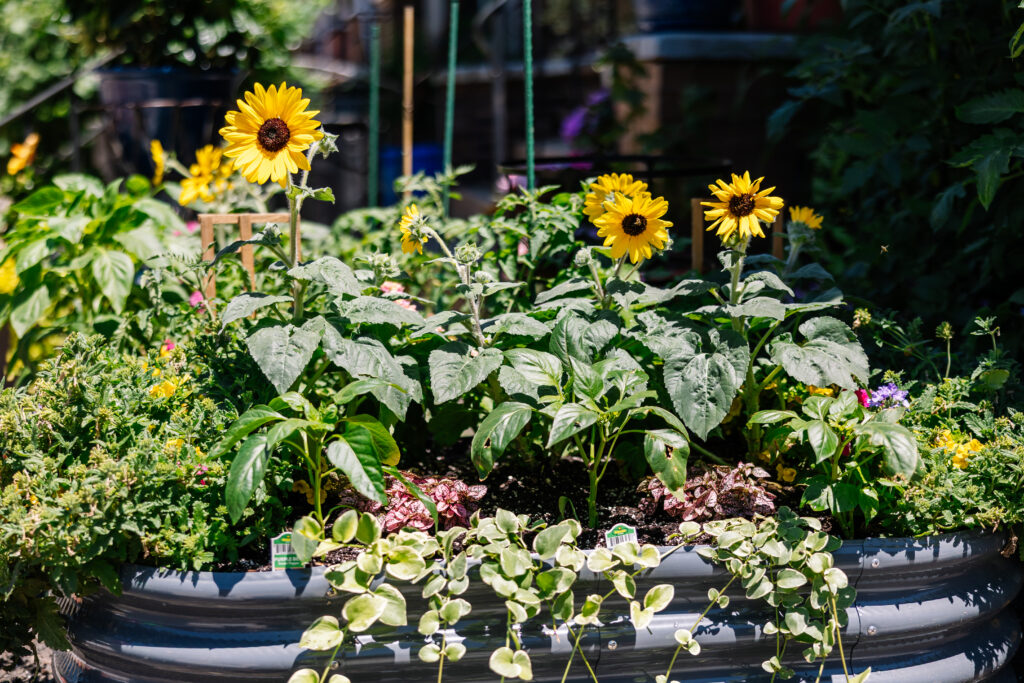
When climate change turns Philly into a steaming jungle, it’s a mistake to assume that tropical plants will fare better here. But experts suggest you continue to go native. They are more adapted to climate extremes where they grow naturally and can better tolerate heat extremes. Despite the sweltering heat, Black-eyed Susan, Lilies, Impatiens, Hydrangeas, and Sunflowers are doing well in Philly now. Swapping them for their tropical cousins native to Florida or Southern California is not the answer. Want more tips and suggestions for planting a native garden? Check out our Urban Gardener’s Guide to Native Plants.
Recognize Signs of Heat Stress
Maybe you overslept and had no time to water your plants before you left for the day or returned from a trip a few days late. Before you check your email, look for signs of heat stress in your indoor and outdoor garden. Are leaves dry or curled up? Is a plant wilting? Don’t panic. Wait to see if the plant recovers in the evening and early morning. Only worry if it wilts for a long period of time.
Sometimes, the edges of large leaves dry out in response to heat. Expect flower production to decrease during and immediately after a heat wave. Plants know to conserve their energy by focusing on staying alive rather than blooming.
Need more guidance or a cool place to relax?
Stop by the PHS Pop Up Garden on South Street (1438 South St.). It’s open daily with free WiFi—the perfect spot to enjoy lunch away from the sun – or join us for an event like the August Plant Swap sponsored by Solo Real Estate. For more tips on gardening in Philadelphia, read our local garden guides on creating a Pollinator-Friendly Garden, Gardening Tips for Philadelphia Rowhomes, or Fall Planting and Harvest Tips from Philly’s Community Gardens.