
City guides
Five Philadelphia Arboretums: Where to Explore Historic Trees and Gardens in the City



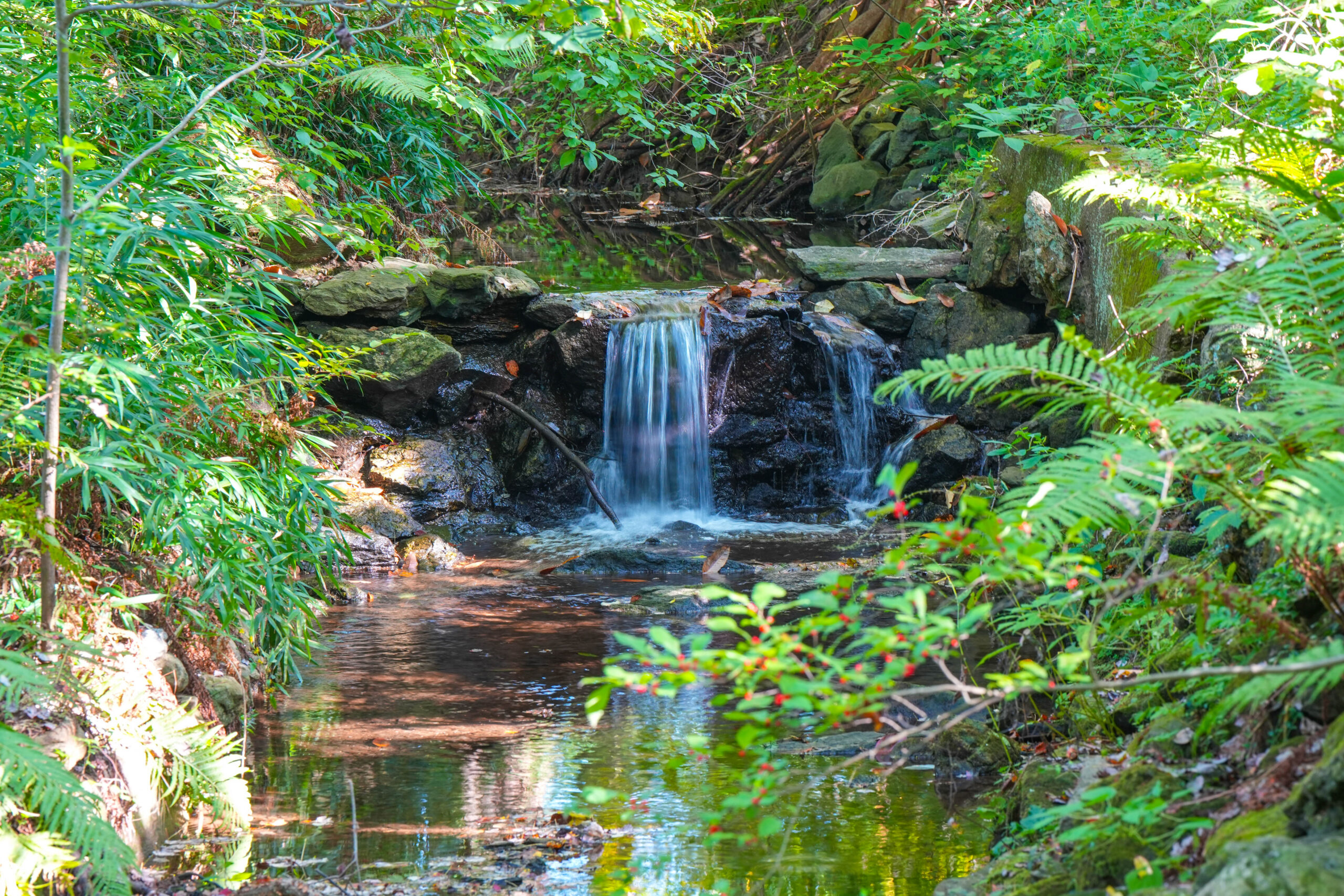
Morris Arboretum. Image: Hope Daluiso for VISIT Philadelphia.
Since the founding of Bartram’s Garden in 1728, Philadelphia has led the way in transforming private gardens and estates into public green spaces that provide not only beauty but benefits for our well-being. According to a recent UCLA study, spending time in nature can boost the immune system, improve cognitive function, lower blood pressure and stress, and improve sleep.
Some of the city’s best examples are also among its most historic, offering a mix of horticulture, architecture, walking trails and programming without requiring a trip outside city limits.
Here are five Philadelphia arboretums worth exploring.
1. Bartram’s Garden
Bartram’s Garden, 5400 Lindbergh Boulevard, is the oldest surviving botanic garden in North America. Founded in 1728 by Quaker botanist John Bartram, it became a 50-acre public park along the Schuylkill River in Southwest Philadelphia in 1891.
Horticulturalists and gardeners of all ages and abilities will be fascinated by the more than 200 native plants Bartram identified and cultivated, many of which are available for sale as plants and seeds. The well-preserved buildings include the Bartram family’s 18th-century stone house, the oldest standing barn in Philadelphia County, and a historic greenhouse.

Activities include free kayaking and boating classes, yoga, meditation, martial arts, sound healing and more. Walkers, runners and bikers can reach Bartram’s Garden via the Schuylkill River Trail. Admission is free.
2. Laurel Hill East
Laurel Hill East, 3822 Ridge Ave., has been both the resting place of Philadelphia’s elite and a landscaped arboretum since its founding in 1836. Who’s buried here? Everyone from Civil War General George Meade to Phillies broadcaster Harry Kalas. Even Rocky Balboa’s wife, Adrian, has a mock gravestone here.
By 1844, more than 2,400 trees had been planted, representing botanical species from around the world. Victorian city dwellers flocked here on weekends to experience the cemetery’s stunning river views, park-like setting, and ornate monuments designed by renowned sculptors.
Over the centuries, Laurel Hill has grown to include more than 9,000 trees and shrubs representing over 1,000 species, including a dwarf conifer garden and a linden tree recognized as a State Champion.
While visitors are welcome whenever the cemetery is open, we encourage you to check out one of its special events, including walking tours, Cinema in the Cemetery, Market of the Macabre, Rest in Peace 5K Run, After Dark Soul Crawl, True Tales from the Tombs, and the annual fundraiser A Spirited Affair, formerly known as the Grave Diggers’ Ball. For details, visit the Laurel Hill Calendar. Admission is free; tickets are required for special events.
3. The Woodlands
The Woodlands, 4000 Woodland Avenue, was created as the home of wealthy Philadelphia lawyer and amateur botanist William Hamilton in 1786. Hamilton traveled to Europe and brought back rare plants and English landscape design ideas, transforming his estate into one of the greatest botanical gardens in early America.
Located in West Philadelphia overlooking the west bank of the Schuylkill, the property became a cemetery in 1840 while retaining Hamilton’s elegant Neoclassical mansion and nationally recognized arboretum.
Who’s buried here? You’ll find the graves of Philadelphia artist Thomas Eakins, architect John Fraser, a partner of Frank Furness, and French-born architect Paul Philippe Cret.
Events at The Woodlands include a Marathon Relay, Fat Groundhog Week, After Hours New Moon, and a Halloween Party. Admission is free, and the gates are open from dawn to dusk. Visitors can also explore its self-guided Digital Tours and online Tree Finder Map.
4. Morris Arboretum & Gardens
Morris Arboretum, 100 E. Northwestern Ave., began in 1887 as Compton, a 166-acre Chestnut Hill estate owned by prominent Philadelphia Quakers. Rather than following the classic English landscape model alone, they incorporated European and Japanese influences. In 1932, the vast estate was gifted to the University of Pennsylvania. Today, it is known as the Morris Arboretum & Gardens of the University of Pennsylvania.
Morris Arboretum transports visitors back to the enchanted lives of the Gilded Age. Here you will find the Rose Garden, a formal Victorian garden that would impress even the Dowager Countess of Grantham. The Hill & Cloud Garden features an immersive water element designed by renowned Japanese garden designer Yonehachi Muto.
The variety of trees and shrubs can be overwhelming. Want to escape? Head to the pond, home to koi, wild ducks, and other native wildlife.
The Events Calendar at Morris Arboretum offers creative activities for adults and children throughout the year, so check what’s happening before your visit. Admission is $22 for adults, $20 for seniors and $12 for ages 3–17; children 2 and under are free. Discounts are available for students and Access Card holders.
5. Awbury Arboretum
Awbury Arboretum, 1 Awbury Rd. in Northwest Philadelphia, was originally the summer estate of Francis Cope, a Quaker shipping merchant and abolitionist. Horticulturist William Saunders, designer of the U.S. Capitol grounds, created Awbury’s landscape in the English garden tradition.
The 56-acre arboretum has been free and open to the public for more than 100 years. It includes AdventureWoods, an area for children with a log playhouse, six-foot climbing wall, rope climb, and zipline.
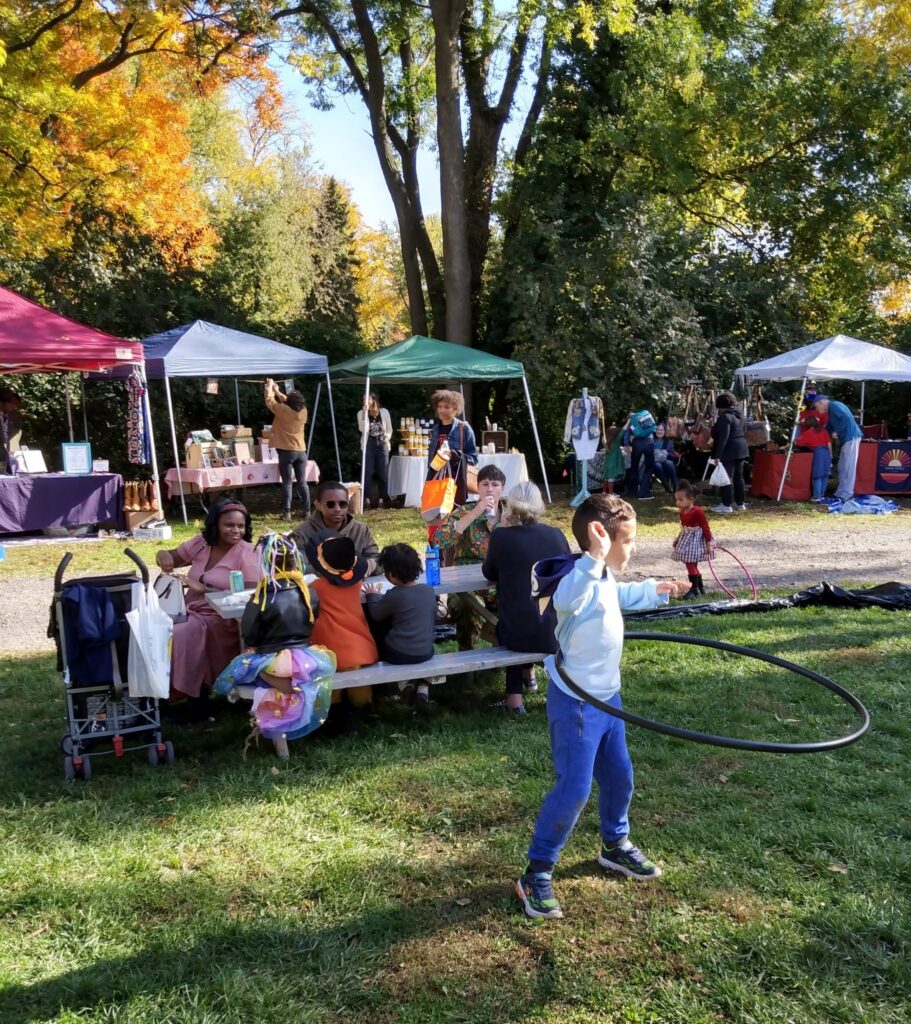
The Farm at Awbury offers 16 acres of agrarian life, including goats, chickens, bees, an organic farm and a community garden. It is also the site of workshops, community events and festive gatherings featuring live music and craft vendors.
The Francis Cope House, built in the Victorian style in 1854, now serves as the arboretum’s headquarters and hosts seasonal art shows and live concerts. For birders and tree enthusiasts, one of Awbury’s most important areas is its Pond and Meadows, a wetland habitat and ecosystem with a native wildflower and grass meadow designed for stormwater management. It is also a haven for native birds and insects.
Visit Awbury’s Calendar for wellness walks, workshops and seasonal events. Open year-round from dawn to dusk. Admission is free.
Find Your Quiet Place
Whichever arboretum you choose, give yourself at least two hours. Enough time to stop checking the clock, adjust your ears to the quiet, let your heart rate slow, and allow your eyes to take in nature’s seemingly infinite variety.
That may be the most remarkable thing about Philadelphia’s arboretums. Places once reserved for private estates, wealthy families, and exclusive institutions have gradually become part of our shared landscape. Today, they offer all of us room to walk, learn, picnic, birdwatch, garden, daydream—or simply sit beneath a very old tree.
In a city where history is rarely more than a few blocks away, these green spaces are another way to experience it: alive, growing, and open to everyone.