
philadelphia history
The Secret Life of Buildings: Philly Corner Stores



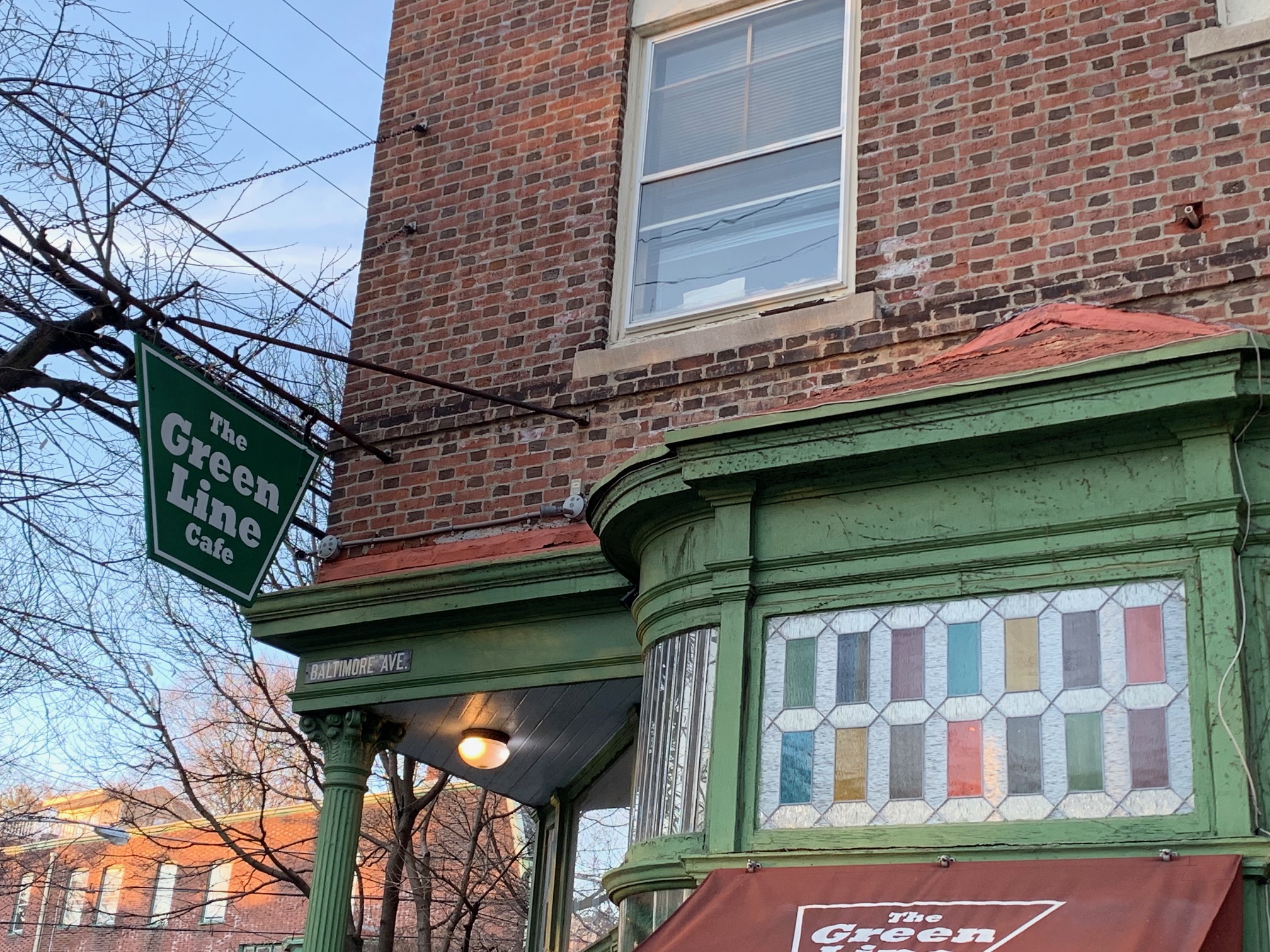
In the 1900s, Philly’s corner stores were the glue that held neighborhoods together. They were community hubs where residents got the news, debated politics, and felt a sense of belonging. Surprisingly, these relics of the Victorian era did not vanish, not even when shopping became an online activity. Instead, they adapted. We took a look back at how corner stores have continued to invigorate our city.
The Corner Grocery
Starting in the 1840s, corner groceries began popping up on the ground floors of residential properties, such as Thomas Black’s Grocery at Broad & Chestnut. These locations were more desirable than mid-block because they offered visibility on two streets with windows that could display more goods.
But it was the arrival of 400,000 immigrants, along with rowhouse development in South Philly in the early 20th century, that turned the corner store into a neighborhood fixture. Many of these shops were run by families who lived above them. Between 1900 and 1910, thousands of corner stores appeared, including Butler Grocery on the northeast corner of 12th & Diamond, known for its corned beef and pickles.
The rise of chain groceries in the 1920s did not threaten the existence of the corner store; it merely encouraged competition. In fact, Acme and A&P both started as corner groceries. Robinson & Crawford at 2nd & Fernon, founded by Irish immigrants in 1891, eventually became the American Stores Company before being rebranded as Acme. From outward appearances, these chain grocers were no different than mom-and-pop shops. By 1920, six hundred independent grocers in the city had joined the American Stores chain.
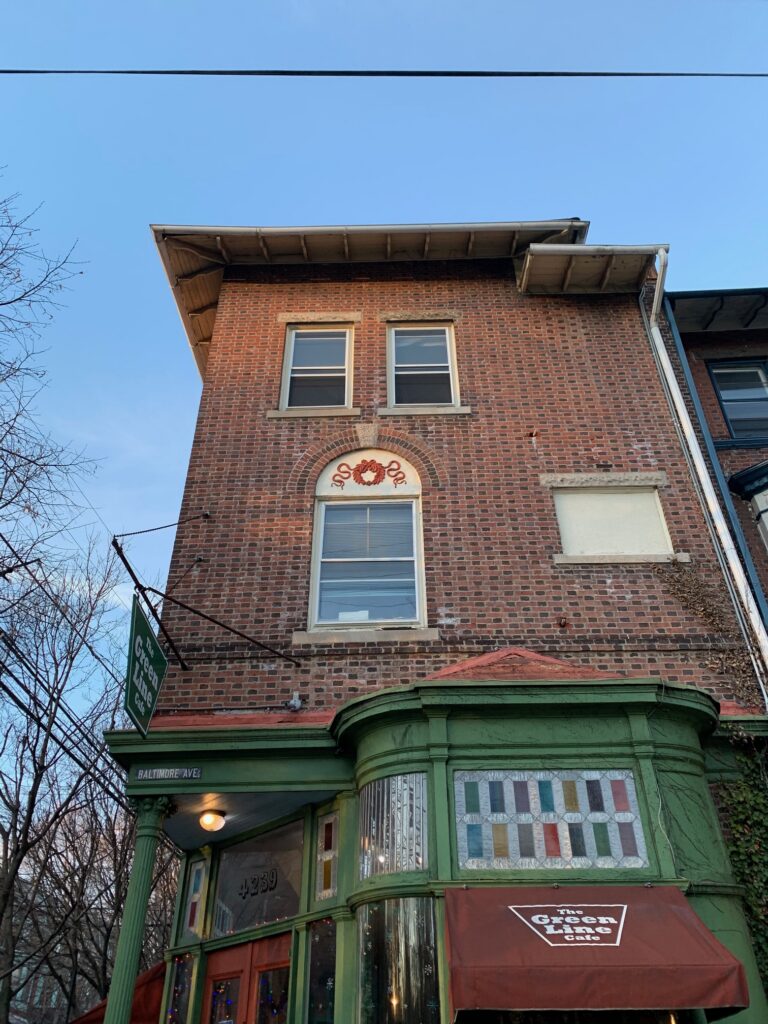

Yesterday’s corner groceries have since evolved into everything from dog grooming salons to upscale dining. Case in point: the historic Camac Market at Spruce & Camac, now Mercato, an intimate BYOB Italian restaurant. The original Camac Market “ghost” sign is still visible on the side of the building, a remnant documented in the Philadelphia GeoHistory Network.
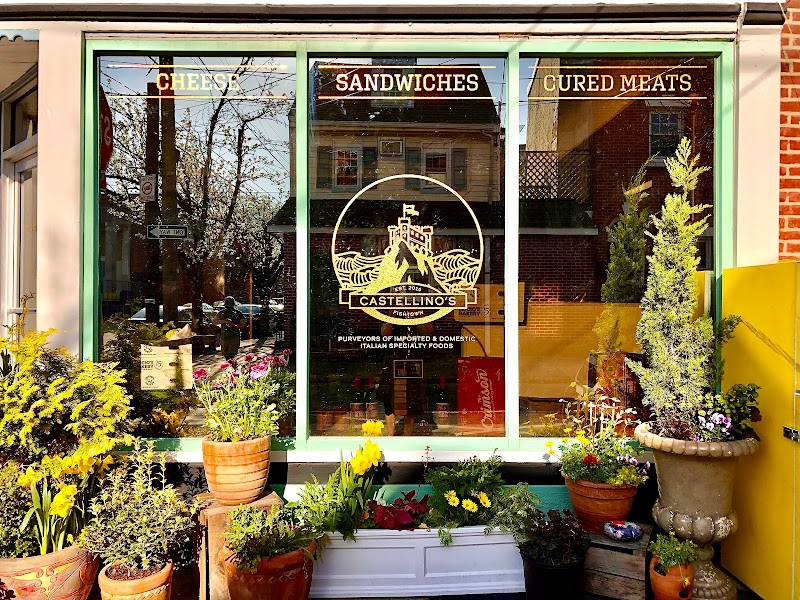
There is also a growing trend of converting traditional corner groceries into upscale gourmet shops, such as Castellino’s Italian Market in Fishtown. Opened in 2016 on the site of a former deli, the shop features gourmet Italian foods like panettone with pistachio cream, along with Italian wines.
Pharmacies
The first apothecary in America opened in Philadelphia in 1729. Some of the biggest names in chemical manufacturing and pharmaceuticals got their start here, including McNeil, Wyeth, and Smith Kline. The city is also home to the nation’s first pharmacy college, the Philadelphia College of Pharmacy (now University of the Sciences), established in 1821.

This legacy made pharmacy a popular profession for many immigrants. As a result, independently owned pharmacies once lined nearly every other block of Spruce Street.
Chain pharmacies, including Sun Ray and Rexall, began overtaking small independent corner stores in the 1920s. By the end of the 20th century, giants like CVS dominated. With few exceptions, independent corner pharmacies have largely disappeared. So what became of them? Like corner groceries, they adapted.
For instance, a long-standing pharmacy on the southeast corner of 15th & South was demolished in 1998 to make way for the Kimmel Center, a transition documented through city property records and the City of Philadelphia Department of Records.
Another example is the Parker Hotel Pharmacy at 13th & Spruce, which operated from 1930 to 1967. The family-owned pharmacy and luncheonette served both residents and hotel guests. Businessmen grabbed quick lunches or lingered over Blue Plate Specials. After the owners retired, the space was transformed into the Westbury, a gay bar reflecting the neighborhood’s identity as part of the Gayborhood.
The only remnant of its past was its tin ceiling. After the Westbury closed following a fire in 2014, the building was renovated and reopened as a Marriott Fairfield Inn. The former pharmacy and bar space is now home to FIA, an Afro-Latin restaurant, where today’s menu of lobster and cocktails replaces yesterday’s cheeseburgers and milkshakes. Property transitions like this can be traced through the Philadelphia Atlas.
Barber Shops
Corner barbershops have been a fixture in Philly since the mid-19th century, their striped poles visible from every direction. Many barbers were immigrants who lived above their shops and learned the trade through generations.
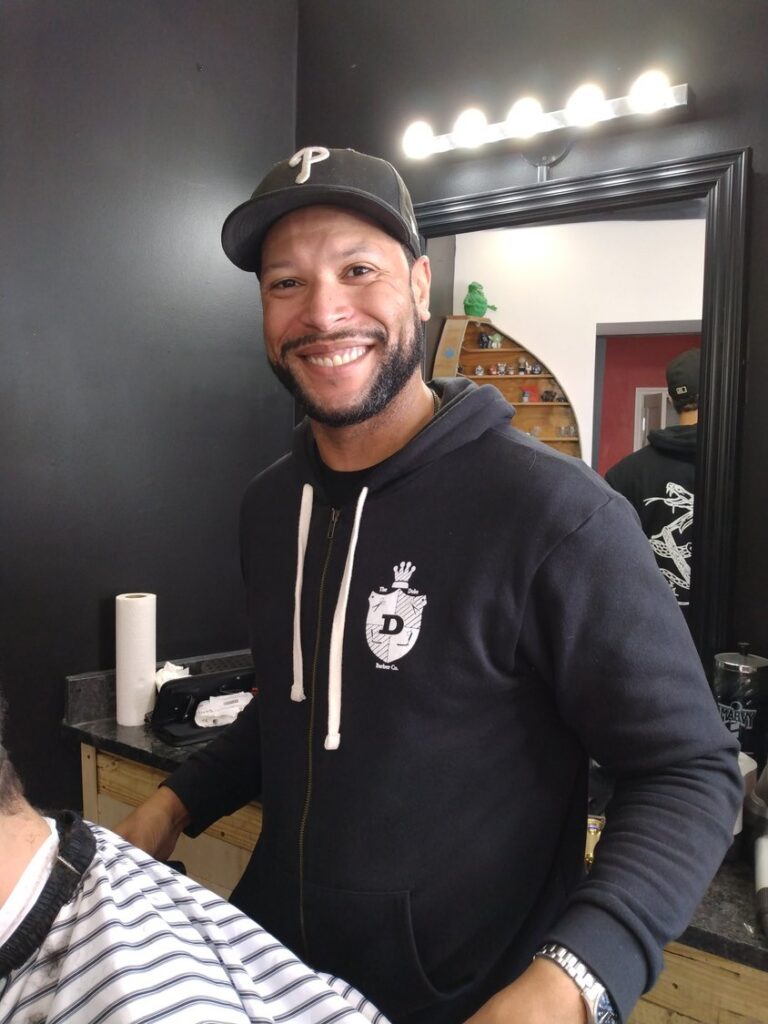
That tradition continues at Duke Barber Co. in Chestnut Hill, where a barbershop has operated for over 100 years. “My passion for barbering is part of a family legacy that goes back five generations,” says Will Brown, who opened Duke Barber in 2014. “I trace my lineage back to 1896, when my great-great-grandfather was a barber in Virginia.”
Reimagining Corner Stores
One of our favorite corner store resurrections began in Bella Vista in the 1890s, when Italian immigrant Gennaro Tito Manlio opened a pharmacy on the northeast corner of 8th & Carpenter. It later became another immigrant success story, Sam Grasso’s Grocery.
In 2023, the former drugstore and grocery was reimagined as Grace & Proper, a European-style café inspired by Portuguese corner bars. “G.T. Manlio Drugs” remains embedded in the mosaic tiles at the entrance, a ghost sign reminding us that, in Philadelphia, history is always just beneath the surface and still shaping how neighborhoods gather, connect, and evolve.
What endures is not the business itself, but the role these spaces play in neighborhood life. Corner stores have always been more than places of transaction. They are places of exchange in the fullest sense, where culture, conversation, and community intersect. As Philadelphia continues to evolve, these corners remain constant markers of change, quietly adapting while holding onto the stories that came before.