
community
From Vacant Lots to Living Landscapes: The Power of Greening Vacant Lots in Philadelphia Neighborhoods



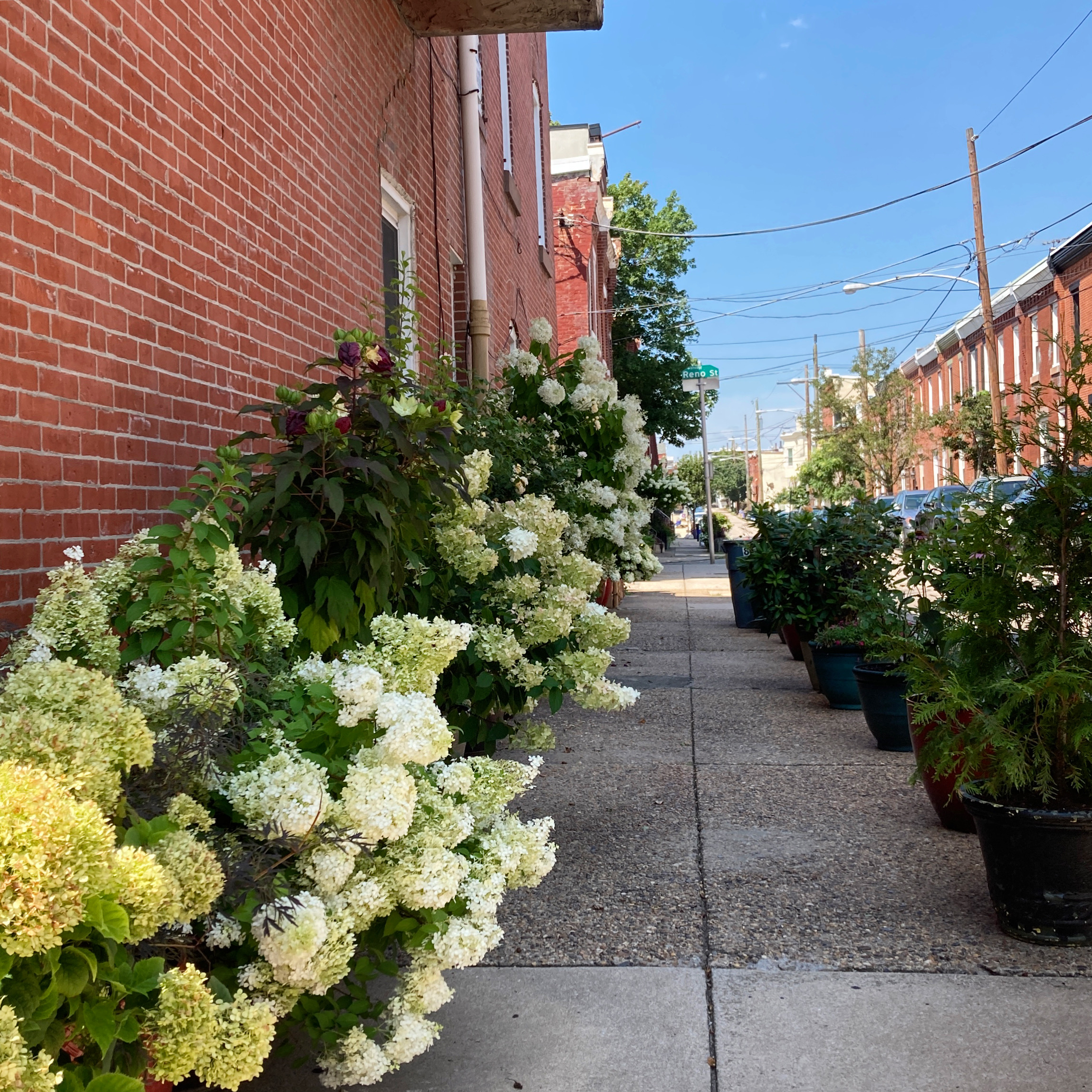
Philadelphia city street covered in blooms. Image: Julia Stetzo for Solo Real Estate.
It’s hard to “touch grass,” as Gen Z slang urges one to do, if you don’t have any grass around to touch. And frankly, not to be overly pedantic, but far better than touching grass is touching a native plant or a food-producing bush or a pollinator, or a biological life that is all three, like the blueberry, nature’s triple threat. In Philadelphia, we’re proud of our grittiness, our toughness, and our resilience, but we also know some of the challenges of urban spaces and shifts in city development. Some grit is great, some grit is room for growth.
From the center of the nation to a city many saw as second-rate and dangerous, suburban flight and economic shifts have shaped development in our city over the past century, including abandoned buildings and vacant lots galore, especially in lower-income neighborhoods. For a long time, those lots have been signs of neglect and decay, not just visual symbols of the challenges our neighborhoods face, but spaces that served as dump sites and have increased crime activity by providing locations for drug deals and gang violence. These vacant lots, of which there are over 12,000 in Philadelphia, disproportionately exist in lower-income neighborhoods and affect the lives of all of us, but especially residents of those neighborhoods who, because of racist systemic redlining among other factors, are more often than not people of color. Much like the tree canopy issues we discussed here last year, vacant lots don’t exist in a vacuum and are often an intersection of civil rights, community needs, socio-economic hierarchies, and ecological possibilities and inequities.
Reimagining What These Spaces Can Be
These vacant lots can, in some people’s minds, underline the idea that people don’t care about their communities, which we know just isn’t true. From pollinator gardens and urban farms to playgrounds and pocket parks, these projects are powerful examples of community-led change.
Some, like the PHS Pop Up Gardens in Manayunk and on South Street, have become semi-permanent spaces. Solo is a proud sponsor of the South Street PHS Pop Up Garden, and we host a plant-swap there on the first Tuesday of the month from April to October. If you come by, you can swap plants and stories with Deborah Solo, who is so passionate about transforming derelict buildings and lots into green spaces that she was one of the people who advocated for the creation of Liberty Lands Park in Northern Liberties in 1997.
That passion helped shape one of Philadelphia’s most beloved parks. In 1994, the land that would become Liberty Lands Park in Northern Liberties was given to the Northern Liberties Action Committee. After a fire-damaged warehouse on the site was demolished, the lot sat vacant and burdened with significant tax liens. Deborah Solo recalls, “We went to the councilman’s office to ask the city to forgive the demolition cost for the burnt-out warehouse. They wanted to sell the land to a developer to build houses because they figured, how valuable would a park be?”
Solo pushed back, making the case for green space. “I brought up that the most expensive real estate in the city was around a park, Rittenhouse Square,” she said.
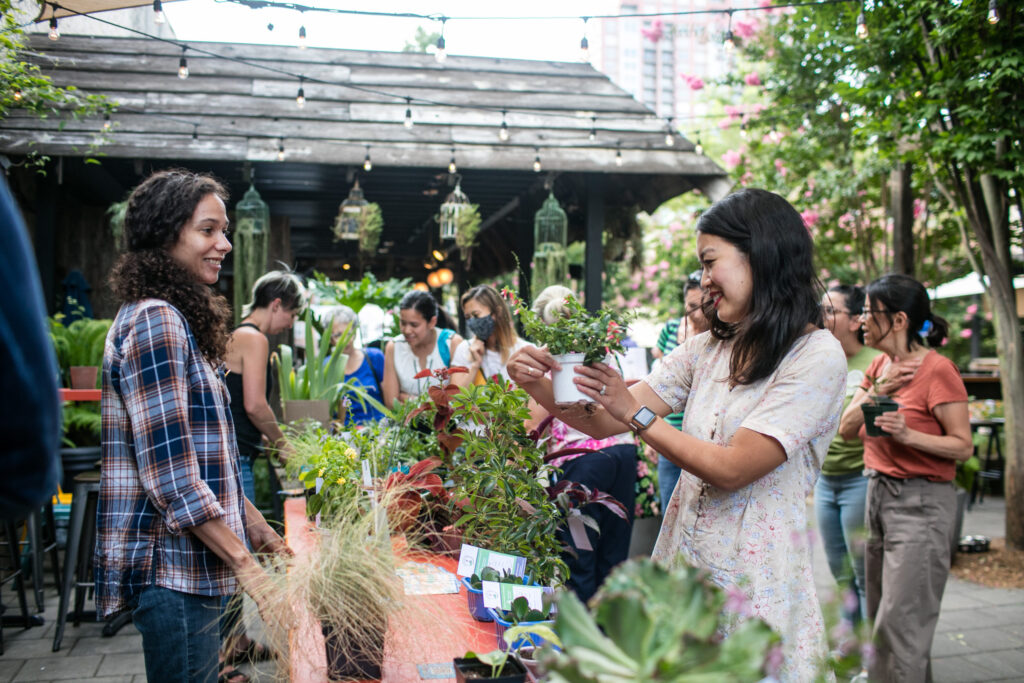
Image courtesy of PHS.
How Greening Programs Are Making an Impact
Organizations like the Land Care Program, a PHS program run with the City of Philadelphia, allow residents to transform vacant lots in our communities into thriving green spaces that improve our lives and our air quality. This program, officially launched in 2003, works with community groups, identifies vacant lots in need of support, gets approval from the City of Philadelphia, and gets to work cleaning, greening, and planting these lots. Because these lots are not owned by the city or PHS, they can sometimes end up under development, but as long as they are vacant, they are maintained by the community and PHS. Since 2020, some of these lots have gone a step further, becoming pollinator gardens filled with native plants. Others become community gardens or house gorgeous murals. Elected block captains and other volunteers help maintain these spaces, deepening the sense of community engagement and collective responsibility. These lots, once no one’s, become everyone’s.
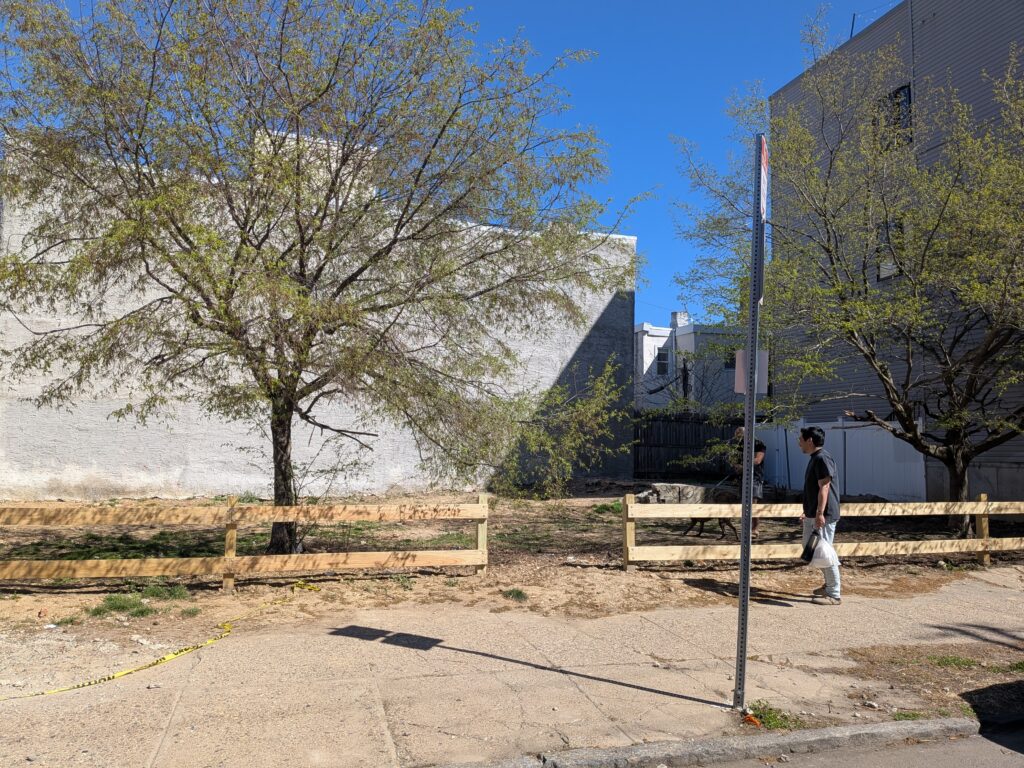
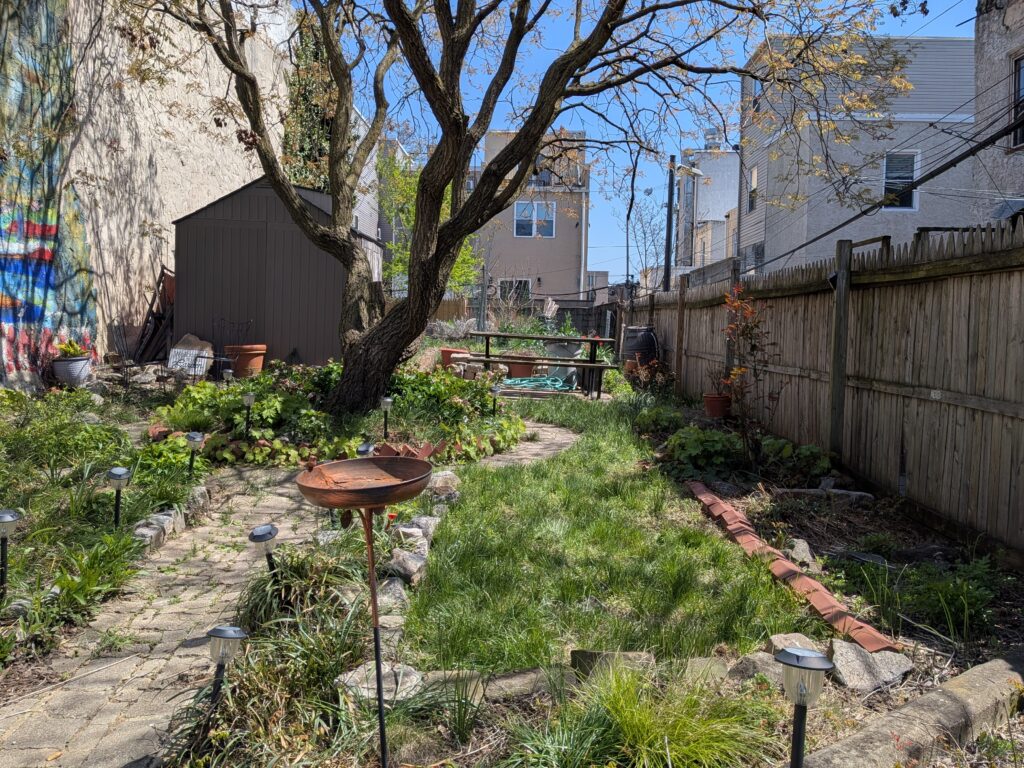
The results are staggering, not only in terms of aesthetics and ecological contribution, but also in decreases in violent crime. Philadelphia has had notable success in reducing gun violence incidents in the last decade. A 2019 study found that greening vacant lots plays a significant role in this: “Participants living near treated vacant lots reported significantly reduced perceptions of crime, vandalism, and safety concerns when going outside their homes, as well as increased use of outdoor spaces for relaxing and socializing. Significant reductions in crime overall and gun violence, burglary, and nuisances were also found after the treatment of vacant lots in neighborhoods below the poverty line.” Blighted and vacant urban land affects both people’s perceptions of safety and their actual, physical safety. Restoration of this land can be an effective and scalable infrastructure intervention for gun violence, crime, and fear in urban neighborhoods.
Expanding Access Through Land and Food Initiatives
PHS isn’t alone in its work. The Philadelphia Land Bank manages much of the publicly owned land in Philadelphia and can help applicants create community gardens and even purchase land for their neighborhoods. That’s how The Original American Foundation, an organization created by and for Indigenous Americans and Americans of color in Philadelphia, acquired vacant lots to grow crops and host community events in Southwest Philadelphia. The process of buying land can be complicated, so be forewarned, but it has allowed this organization to secure green space for its neighborhood, even in the face of ongoing development.
They aren’t alone in creating urban farm-oriented spaces from these lots. Farm Philly’s mission is “to connect residents to the natural world and provide opportunities for accessible physical activities while supporting the self-determination and sovereignty of communities to grow their own food,” and they do this in many ways. One is supporting the development of community gardens and food forests on land managed by the Parks and Recreation Department. While this excludes vacant lots, it is another way to make existing parks even more vital for surrounding communities.
A Local Example: Emerald Wildflower Garden
Solo agent Jeff Carpineta knows first-hand how essential this work can be. In contributing to the creation of the Emerald Wildflower Garden, he helped green a vacant lot. As he wrote on the garden’s website, “Emerald Wildflower Garden is a woodland-type garden on a site where 19th-century rowhouses were abandoned and demolished decades ago, in the East Kensington section of Philadelphia, a few blocks from Fishtown and Norris Square.” His work, along with that of many supporters and volunteers, has made this sanctuary for native plants and the species they support a vital part of the neighborhood. The knowledge Carpineta has developed also supports the larger Philadelphia community. As he notes, the landscape ecology across many sections of Philadelphia remains heavily damaged, but repair work is underway in communities across the region, from thousand-acre preserves to tiny rowhouse yards.
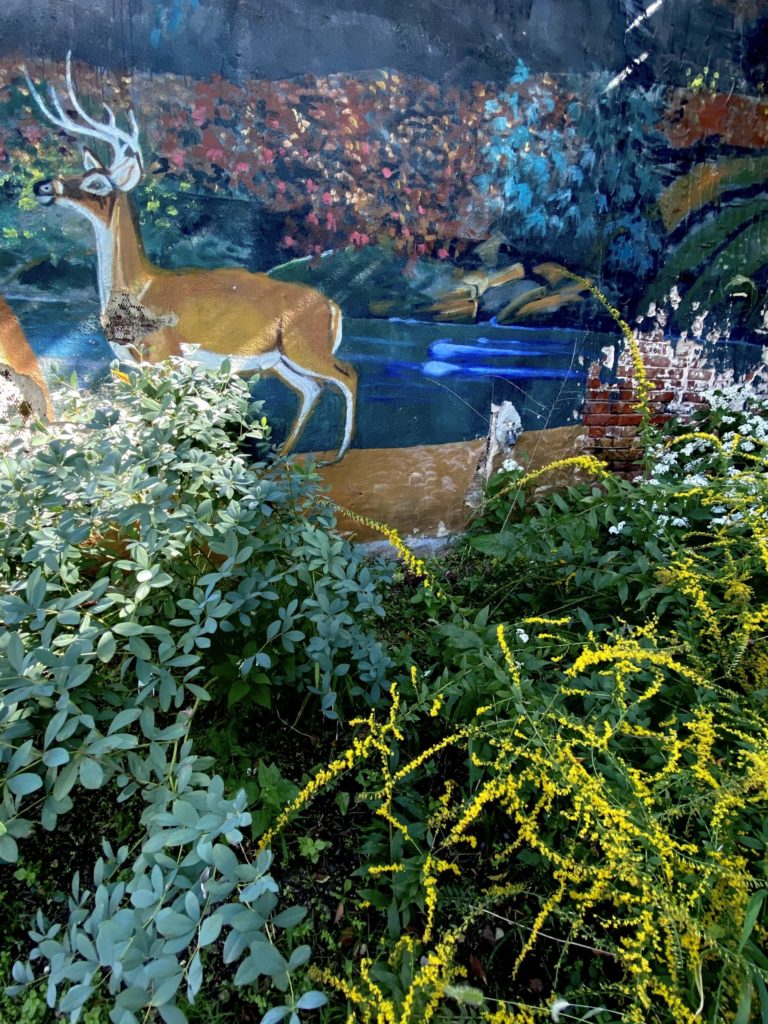
Image: Stephanie Aviles
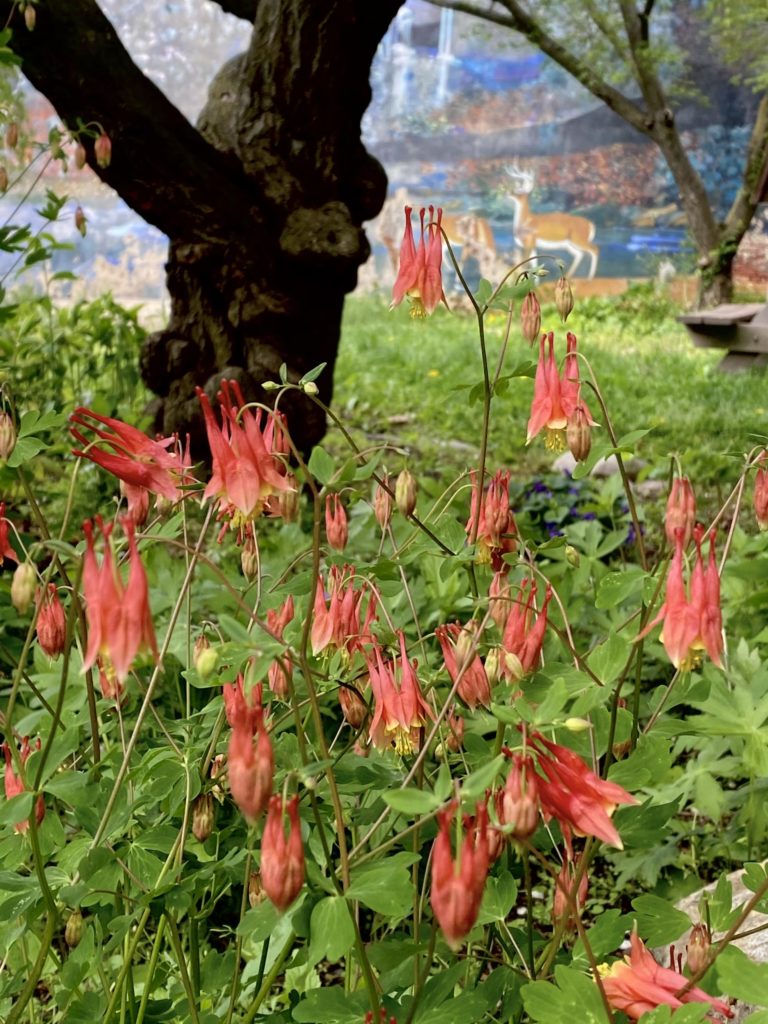
Image: Stephanie Aviles
Even planting a small lot can transform a block, a neighborhood, and create an oasis of biodiversity. Through Emerald, you can learn how to bring these elements to your own space. “The garden offers volunteer opportunities as well as resources for the public to learn about native plants, ecosystem function, and strategies for repair and design. The journey of ecological landscape repair is joyful and long, with many trials and unexpected turns. Our philosophy is to treat both problems and progress as opportunities to learn, experiment, and share as case studies with those looking to heal spaces wherever they are. Consultations are available if you’d like to transform your yard or a community space into a living habitat.”
Greening a Lot Means a Lot
Greening lots and strengthening existing parks with native plants and food-producing spaces are powerful ways to impact our communities. These initiatives improve health and well-being, shift crime patterns, make neighborhoods safer and more connected, and can even increase property values due to proximity to these shared resources. Greening a lot means a lot. So go, touch some grass, or maybe a native plant or two. Even better if you planted it yourself or help maintain it as a neighborhood volunteer. Consider the vacant lots in your area. They might just be green spaces waiting to grow!