
philadelphia history
Philadelphia Historic Districts: How Preservation Impacts Homeowners and Property Values




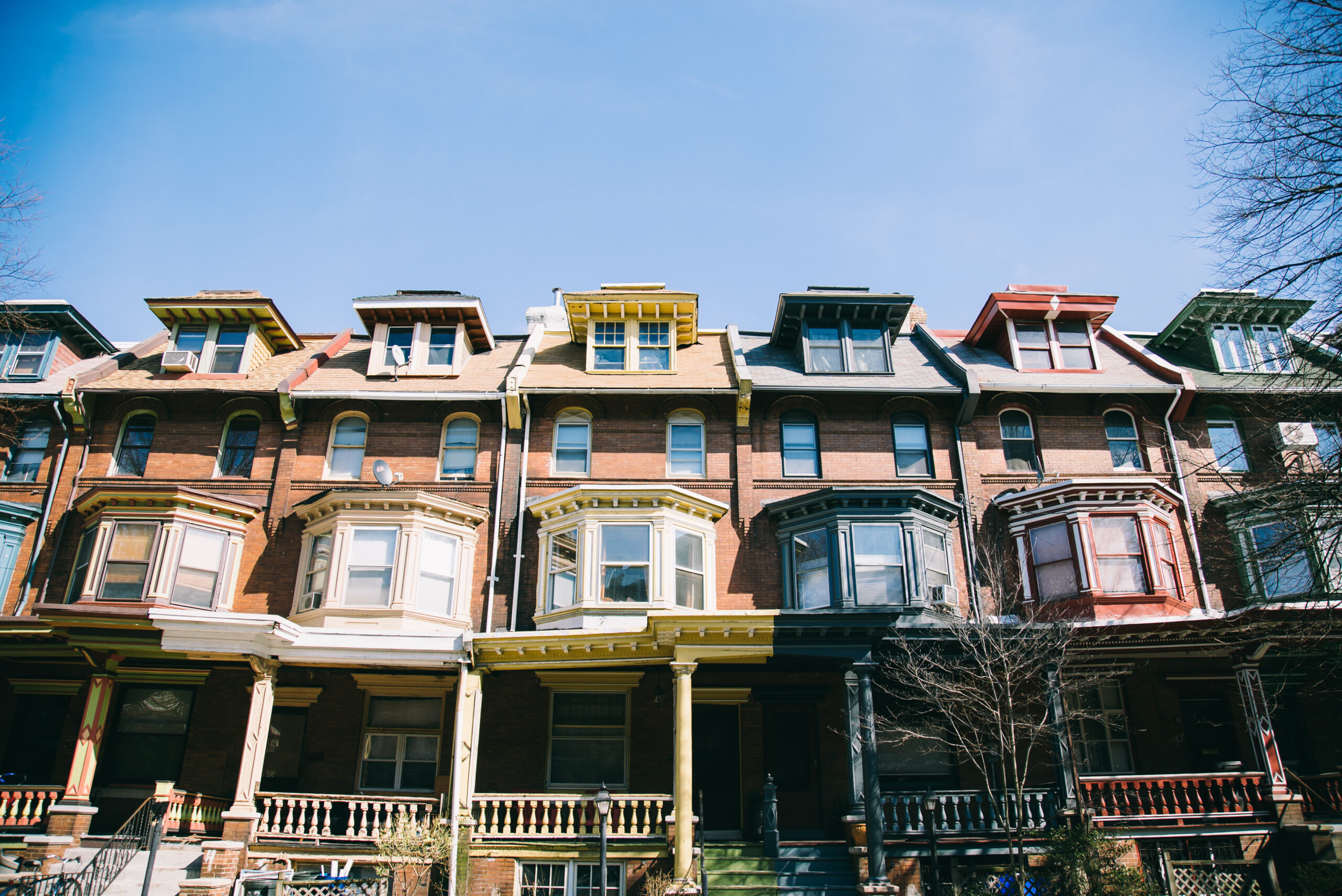
Philadelphia has more than 40 designated historic districts, with many more under consideration. Some span only a single block, while others encompass entire neighborhoods. Thanks to the efforts of organizations such as the Preservation Alliance for Greater Philadelphia and strong community advocacy, these districts help protect the city’s architectural heritage while strengthening neighborhood identity and property values.
Whether you already live in a historic district or your neighborhood may become one in the future, understanding how these designations work can help homeowners navigate both the rewards and the responsibilities that come with preservation in Philadelphia.
How is a Historic District Created?
Historic districts typically begin with a nomination submitted by community members, preservation organizations, or researchers. The nomination is reviewed by the Philadelphia Historical Commission, which evaluates the area’s historical, cultural, or architectural significance before recommending it for inclusion on the Philadelphia Register of Historic Places. A nomination includes a detailed historical narrative, a map outlining proposed boundaries, and an inventory of contributing properties. Public hearings are held before the Commission makes its final decision.
If approved, all properties within the district are listed on the Philadelphia Register of Historic Places. Owner consent is not required, so if you want a voice in the process, make a point to attend all public meetings. Once designated, any exterior alterations or demolitions within the district require approval from the Historic Commission. These designations do not happen overnight. Powelton residents started campaigning for historic designation in 1972 and didn’t achieve it for fifty years in 2022.
Historic designation can also be a topic of debate. In recent years, residents in neighborhoods such as Washington Square West have raised concerns about proposed historic district boundaries and the potential impact on property owners. In 2026, a court decision temporarily overturned the neighborhood’s historic district designation following a legal challenge from some residents who argued the process raised concerns about property rights and development restrictions. Supporters of the designation, however, emphasized the importance of protecting the area’s historic architecture and cultural identity.
Situations like this illustrate that historic preservation often involves balancing neighborhood character, property rights, and future development.
What is the purpose of a Historic District?
The purpose of historic districts is not only to protect architecture but also to reconnect neighborhoods with their historic identity.

A classic example is Society Hill. Originally known as the Dock Ward and bordered by Walnut, Lombard, Front, and Eighth Streets, it is one of Philadelphia’s oldest neighborhoods. In the 18th and early 19th centuries, it was home to affluent professionals such as surgeon Phillip Physic and portrait artist Thomas Sully, alongside dockworkers, tradespeople, and free Black residents living in nearby rowhouses.
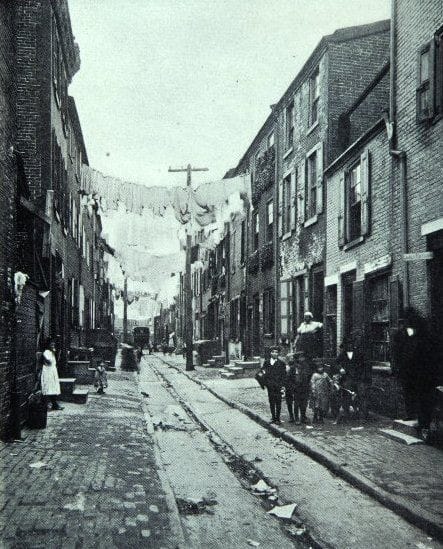
By the late 19th century, wealthier residents had moved west toward Rittenhouse Square, and the neighborhood declined. In his 1899 sociological study The Philadelphia Negro, W.E.B. Du Bois described the Dock Ward as the “worst slum in the city.”
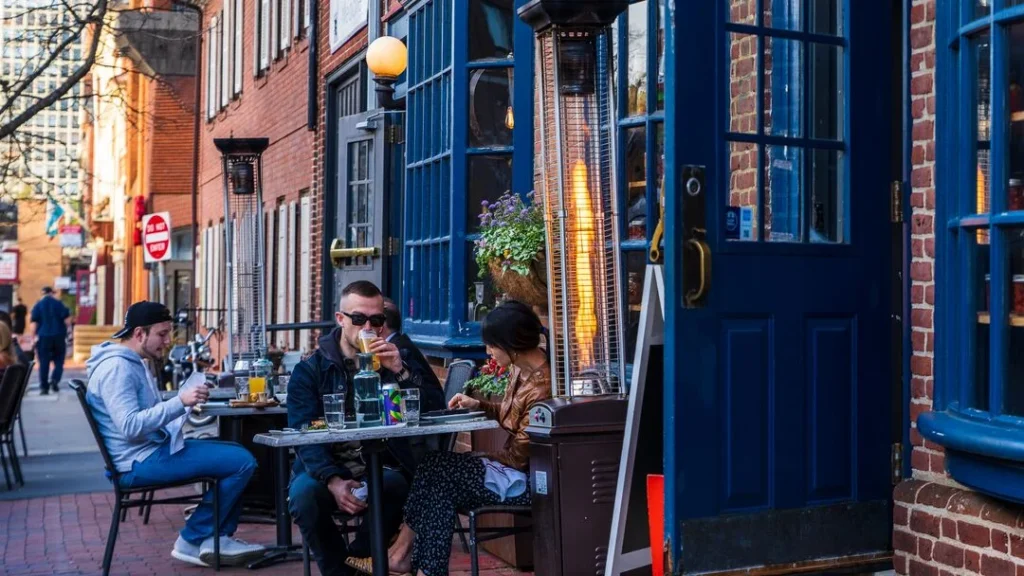
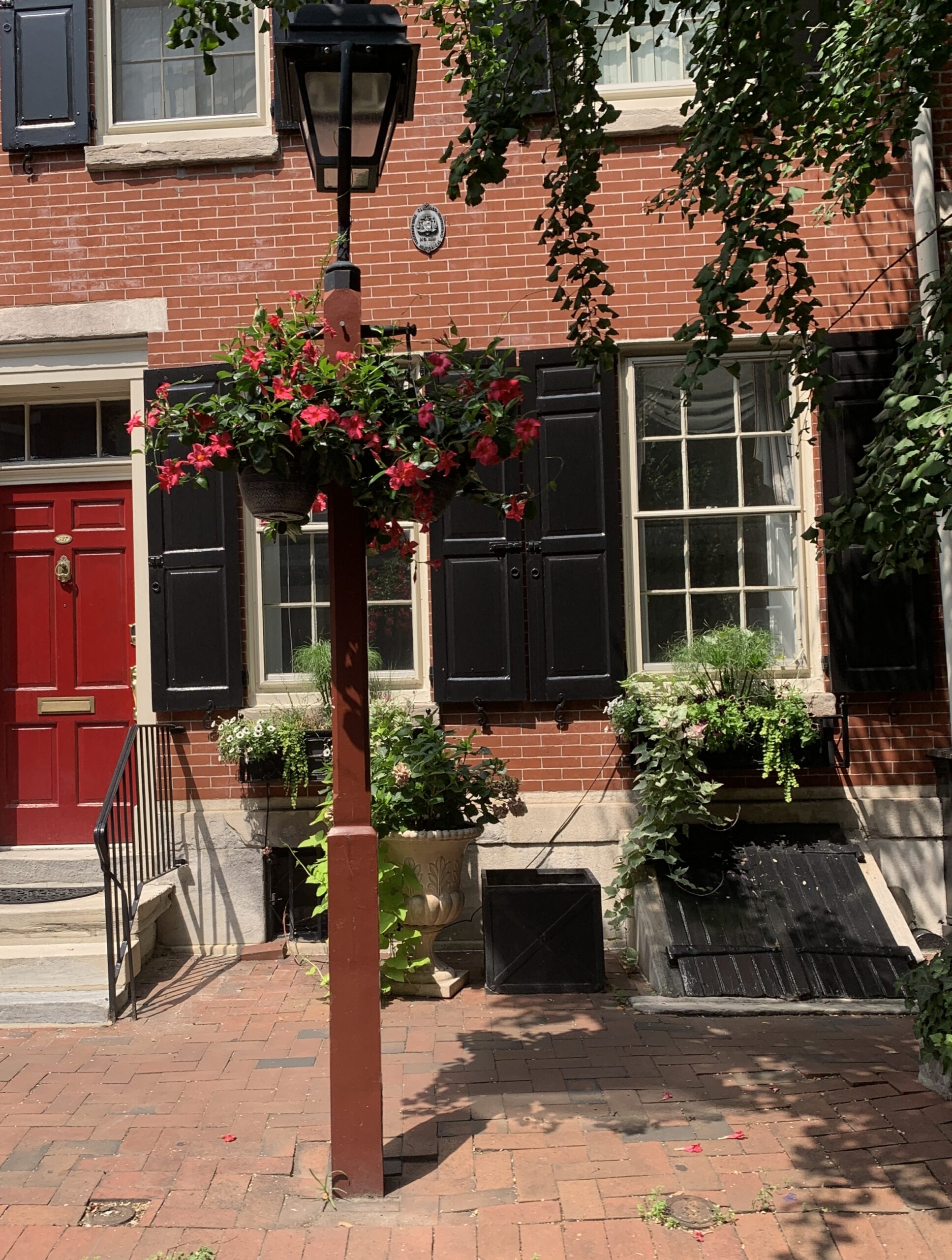
Under the banner of Urban Renewal in the 1950s and 60s, there was a surge of investment in the restoration of historic properties, including Independence Hall Park and the entire Dock Ward, which was re-branded “Society Hill.” Brickwork was re-pointed, shutters painted, and gas lamps were installed. But it was not an easy sell. In 1957, Mayor Richardson Dilworth moved from his posh Rittenhouse Square abode into a restored colonial-era home at 223-225 S. 6th St., to encourage revival of the neighborhood. The elite took notice. The restoration of Head House Square, which dates back to 1745, and the construction of Society Hill Towers by I.M.Pey in 1964, solidified the neighborhood’s resurrection. This effort was so successful that it put Philly City Planner Edmund Bacon on the cover of Time Magazine in 1966. As a result, Society Hill shook off its negative image and property values climbed from low-cost to one of Philadelphia’s most expensive neighborhoods.
Other neighborhoods that have benefited from becoming Historic Districts include: Germantown, Brewerytown, Chestnut Hill, Northern Liberties and many more.

Benefits of Historic Districts
Owning property in a historic district can offer several advantages:
- Living in neighborhoods rich in cultural history and architectural character
- Commitment to preservation reduces blight, encourages responsible development, and fosters a sense of pride among residents, all of which contribute to the stability of property values.
- Higher property values and stronger appreciation due to limited supply and unique craftsmanship
- Access to programs such as the Julia W. Kiessling Historic Home Repair Program for exterior, historic-sensitive repairs.
- Stronger neighborhood identity and civic pride
- Revitalized public spaces, shops, and local businesses
- Increased maintenance and stewardship of surrounding properties
- Protection from demolition or incompatible new construction
- Elegibility for the PA Historic Preservation Tax Credit (25%), and Federal Rehabilitation Investment Tax Credit (20%) for income-producing properties.
Challenges of Historic Districts
Historic designation also brings challenges and responsibilities:
- Exterior changes typically require review and approval from the Historic Commission
- Renovations may take longer due to permitting and preservation guidelines
- Older homes can require specialized maintenance and historically appropriate materials
- Preservation regulations may limit certain modern alterations
As Philadelphia approaches the 250th anniversary of the United States in 2026, the city’s extraordinary architectural legacy remains one of its defining features. Within just a few blocks, you can walk through centuries of design, from Georgian and Federal rowhouses to Victorian streetscapes and Mid-Century Modern landmarks.
One of the best ways to experience this architectural history is to take a tour with The Preservation Alliance of Greater Philadelphia, Philadelphia Historic Architecture Tours or, for a self-guided tour, pick up a copy of Philadelphia Architecture: A Guide to the City.
Buying or renovating a home in a historic district can be a rewarding long-term investment, but it also comes with unique considerations. The team at Solo Real Estate can help you navigate the process of buying, selling, or restoring a historic home in one of Philadelphia’s neighborhoods.