
events
Rooted in Philadelphia: 2026 Flower Show




All images by Leah Franqui.
Pennsylvania has long featured as a center of American horticultural study and preservation. Part of this mania for plant life can be traced (as so many things can) to unresolved trauma. William Penn’s experience surviving and witnessing the Great Fire of London in 1666 fundamentally shaped his choices in supporting the development of and vision for our surroundings, informing construction laws, urban planning procedures, and the very street grid we Philadelphians know and love to today.
Our rich (horti)culture is also a part of this legacy, as Penn imagined Philadelphia as a “greene country town” with “gardens round each house, that it might never be burned, and always be wholesome”. Trauma plot or not, Penn’s vision was supported by early American horticulturalists like John Bartram and his son William, who preserved and cultivated native plants, corresponding with major European Botanists like Peter Collinson and Carl Linneas, the father of modern taxonomy. Other horticultural enthusiasts followed, like Jacob and Minshall Painter, founders of the Tyler Arboretum and of course, the Pennsylvania Horticultural Society itself, founded in 1827. Two years later, the society would host the first ever Philadelphia Flower Show, one of the many revolutionary Philadelphia first American events.
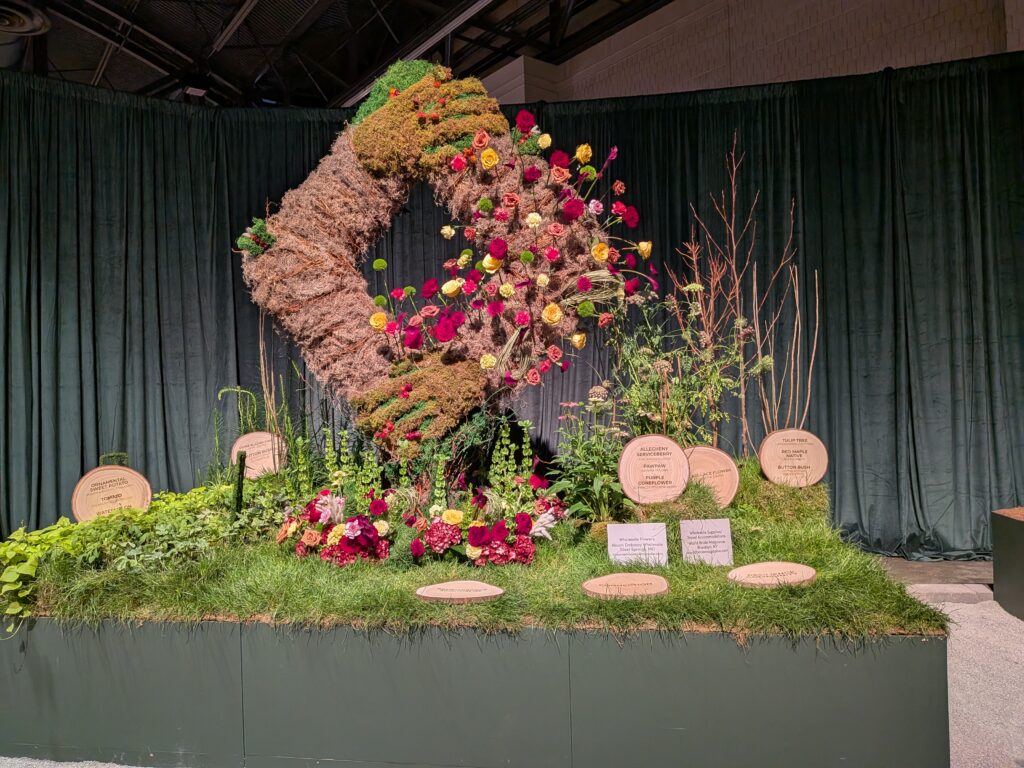
By the mid 19th century, Philadelphia was home to important plant centric publications like Gardeners Monthly, established in 1859, and the building of Horticultural Hall, the largest conservatory in the world at the time, as part of the 1876 Centennial Exhibition marked Philadelphia as the center of American horticulture, and this year we celebrate 197 years of the PHS Flower Show, the longest running and biggest horticultural event in the United States. This city and state have long been home to plant people, or should we say, plant men. While there has long been a tradition of extolling our history of horticulture, it is impossible to ignore who has often not been included as a part of this story.


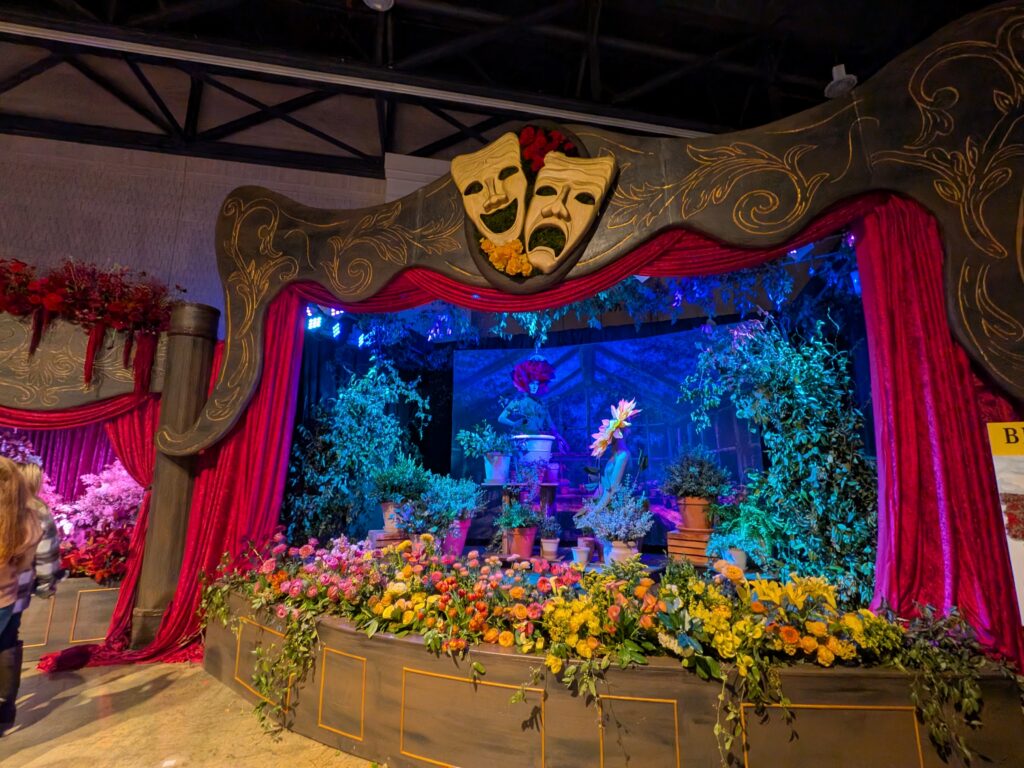
It is often said that when a woman does a thing, it is a craft, but when a man does it, it is an art. This sentiment can be extended across genres. Historically, women have been pigeonholed as hobbyists, amateurs, while men have been permitted the means, education, and support to become professionals, scientists, and experts. Basic gardening, in its most domestic forms, has long been “women’s work” both as for women without means as part of tending to the house, providing food for the table and basic remedies for common ailments, and for women of means in terms of aesthetics associated with femininity, flowers for vases, pretty places for ladies of leisure to surround themselves with carefully cultivated blooms. But horticulture, botany, serious intellectual pursuits like these, were and in some spaces still are, considered the purview of men. However, this narrative, while popular, has often been challenged by women throughout history, and here in Philadelphia, the roots of women in horticulture run deep. The rise of the suffragette movement brought with it a focus on the potential for women’s professional lives, starting, often, with the development of educational spaces to make those professional pathways possible.

While women have, since the dawn of time, worked, either as unpaid domestic labor or through jobs and tasks giving them financial compensation, the concept of the career pathway for women was, at the end of the 19th century, relatively nascent. Transforming “women’s work” into professionalism required systems of validation in men’s eyes, and education was the clear pathway towards this validation. Following in the footsteps of the Lowthorpe School in Boston, the first women’s program for Landscape Architecture established in 1901, Jane Browne Haines, a well-educated (Bryn Mawr graduate!) and well-off daughter of a prominent Philadelphia Quaker family, had grown up tending to gardens, including the fruit and shade tree nursery established by her father on their estate, and the gardens at the Wyck House, her family home in Germantown.
A passionate horticulturalist and one of the founders of the Garden Club of Philadelphia, Haines was determined to create pathways for women’s professional lives in the fields of landscape architecture, agriculture, and horticulture, and established the Pennsylvania School of Horticulture for Women in 1911. Haines had a long-held interest in horticulture and botany, growing up tending to lush gardens established by her own ancestor, Caspar Wistar, an amateur botanist (after whom the plant Wisteria is named!). Haines purchased a large tract of land near Ambler and founded the school, hoping to educate women through hands-on learning and facilitate professional careers in agriculture and horticulture, employing primarily female professors and including courses on beekeeping, farm management, and soil sciences. The school created a significant legacy of women in horticulture, many of whom went on to impact the region and the nation, charting careers in botany, landscape architecture, horticulture, and agriculture, and activism, like Ernesta Drinker Ballard, one of the founders of the National Organization for Women and Women’s Way. In 1958, the Pennsylvania School of Horticulture for Women became a part of Temple Ambler and became a co-ed institution. Temple’s Department of Landscape Architecture and Horticulture continues to shape the future of Philadelphia’s botanical and gardening spheres from the same acres of land Haines purchased over a century ago. It is because of women like Haines that this region has outpaced William Penn’s vision, not just making our city a “greene country town”, but going beyond to consider the ecological history of the region, and how we can contribute to it, heal some of the damage humans have done to it, and preserve it for generations to come.
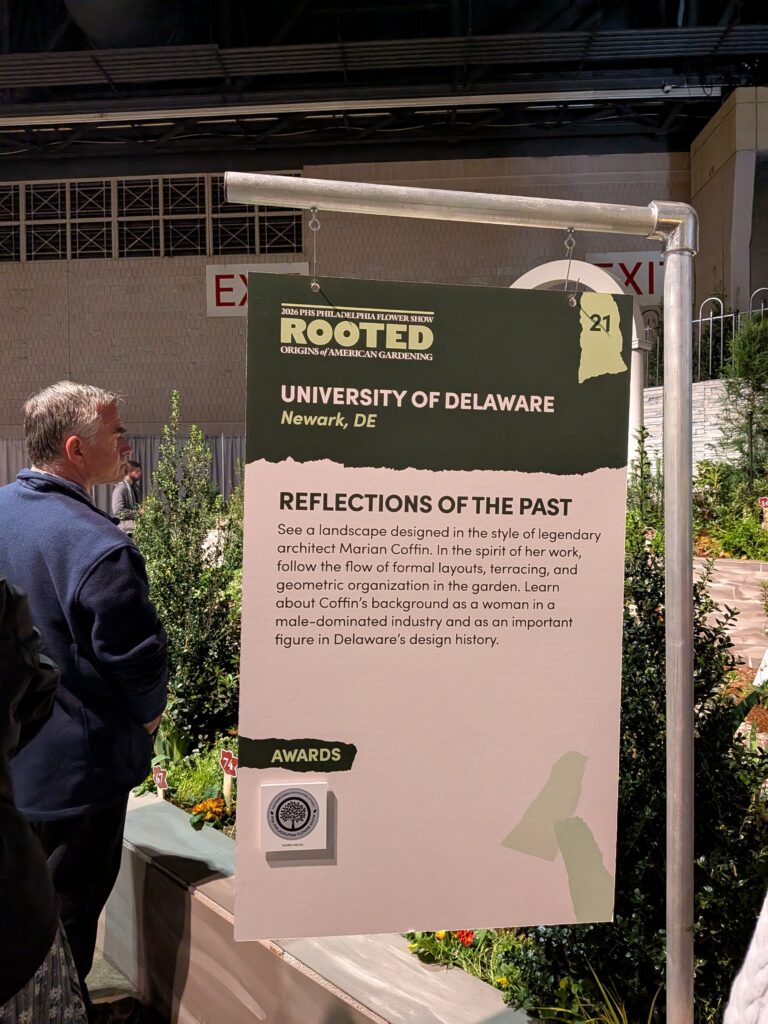
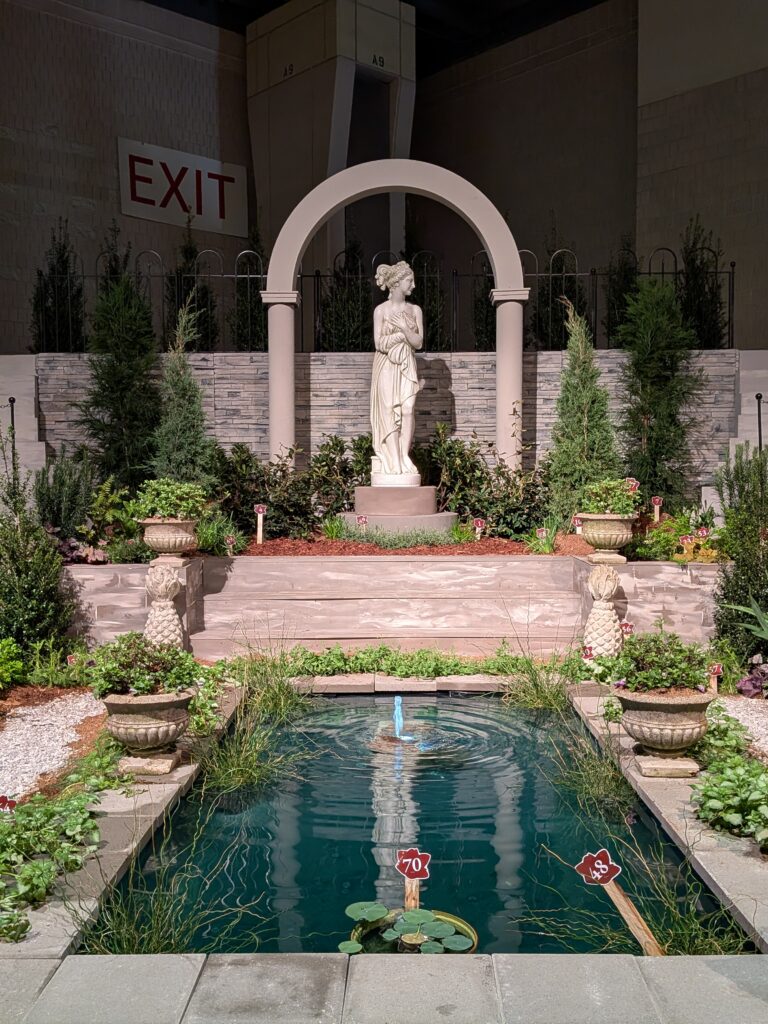
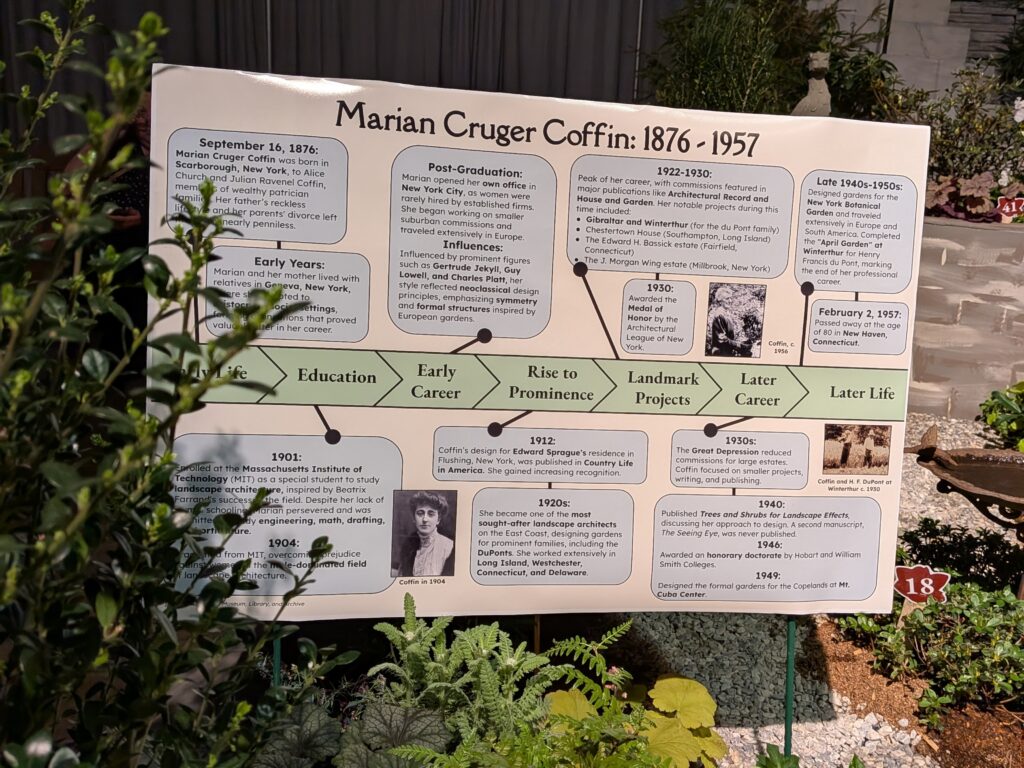
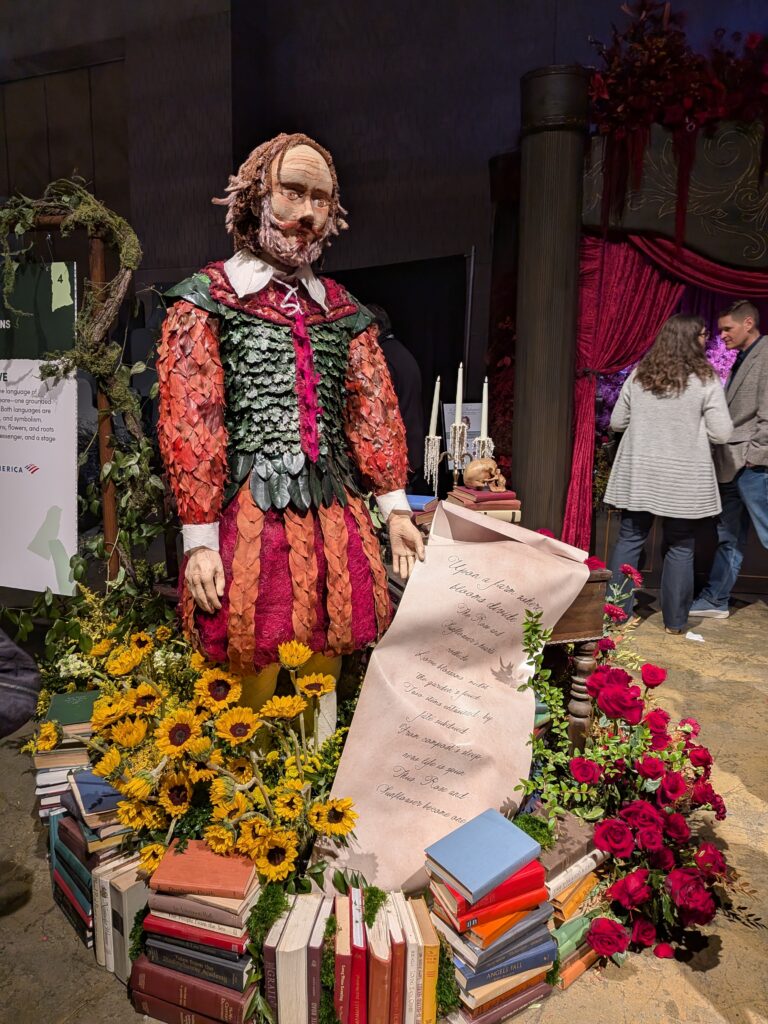
This year at the PHS Flower Show, the theme of Rooted: Origins of American Gardening, challenges contestants and visitors to consider our history of horticulture in this important sesquicentennial year since the American Revolution. With gorgeous exhibits celebrating native plants and native peoples, ecological harm and healing, Black Americans and agriculture and cultivation, botanical histories and taxonomies, and the women who have made American gardens and green spaces flourish, the show highlights the diverse narratives, sometimes deliberately buried, of the many peoples whose hands have worked the soil we sprout our seeds in to this day. With pieces made in honor of Marian Cruger Coffin, a groundbreaking landscape architect and one of the first American women to work professionally in the field, and Martha Brooks Hutchenson, a similarly innovative and barrier breaking landscape architect who advocated for the use of native plants and ecological practices decades before it became a part of the zeitgeist, and many female artists and entrants to the show who work in these spaces today, this year’s Flower Show honors the many women who have, and continue to, root themselves in the horticultural and agricultural practices that make our city and our country bloom.


At Solo Real Estate, we are proud to support PHS as sponsors, and love that we can celebrate horticultural practices all year round through programs at the PHS Pop Up garden, and through other community events, as well as encouraging our tenants and owners to populate their spaces with plants, spread our Solo seed packets in the soil, cultivate native plants and pollinators, and consider how all of us can contribute to making our city green, in every sense of the word. We hope the PHS Flower Show inspires you as it does us every year, both to uncover narratives and perspectives you might otherwise have missed, and to bring plants into your life however you can.