
Cultural Histories
Cultural Histories: Jewish Philadelphia – Then and Now



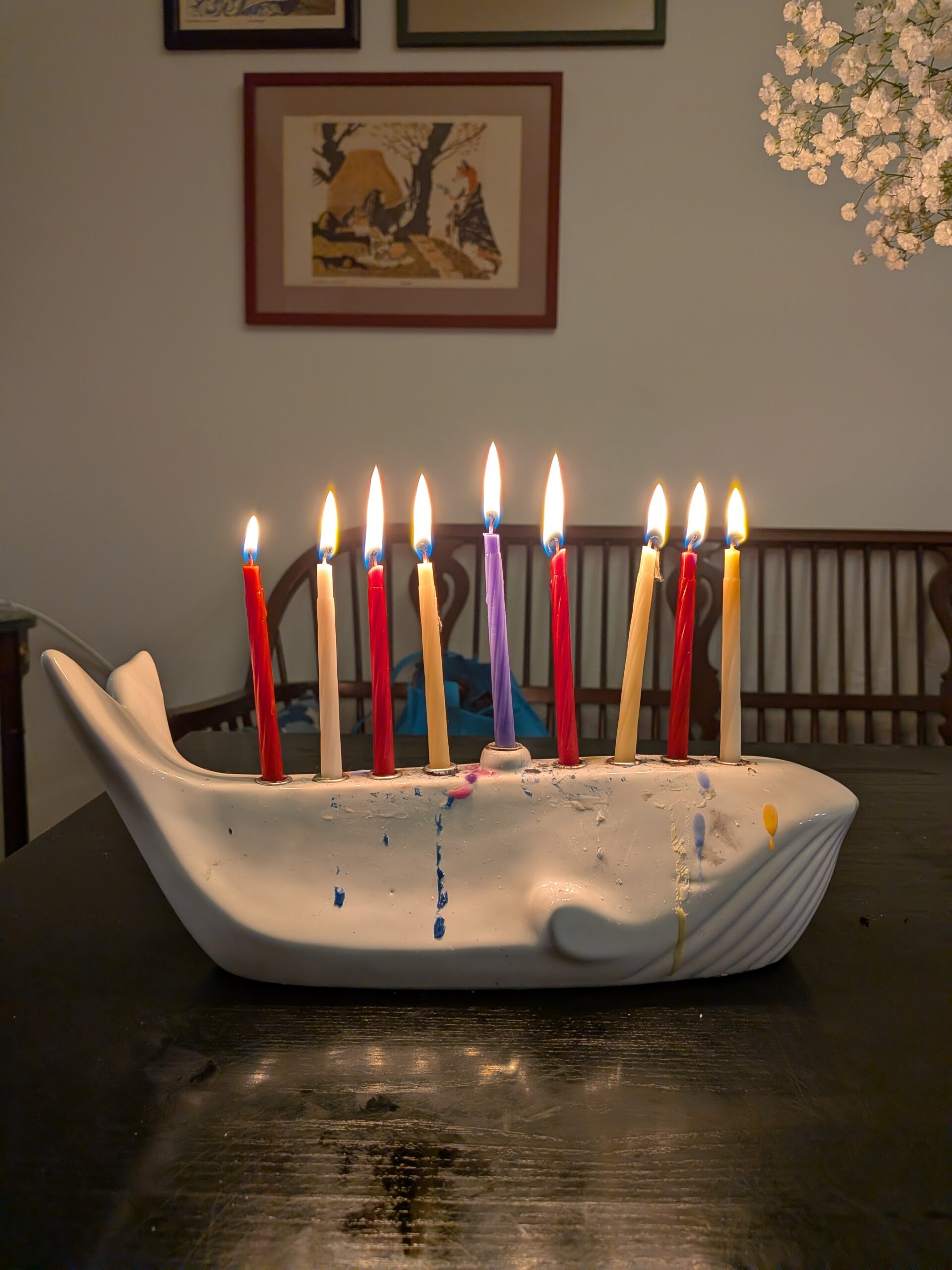
Image: Leah Franqui.
Jewish life has been part of Philadelphia’s story almost from the city’s beginning. From its earliest Sephardic settlers and the growth of a thriving Jewish quarter to the synagogues, restaurants, cultural institutions, and community organizations that shape the city today, Philadelphia’s Jewish history is woven deeply into its neighborhoods.
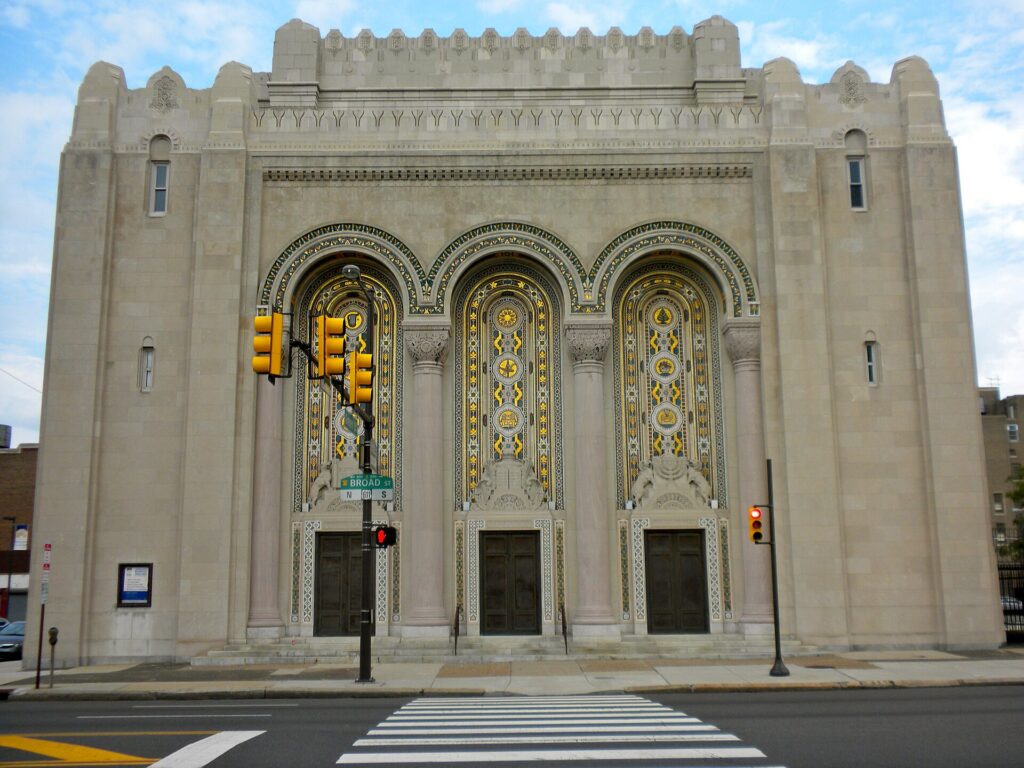
For Solo Real Estate, that history is also personal. Deborah Solo, Alejandro Franqui, and Leah Franqui are Jewish Philadelphians who have proudly been part of the city’s Jewish community and connect deeply with their cultural and religious roots. Solo Real Estate founder Stanley Solo was a deeply active member of the Beth David community in Gladwyne, Pennsylvania. Today, Deborah, Alejandro, and Leah participate through Congregation Rodeph Shalom, a Reform congregation at 615 North Broad Street. Established in 1795, Rodeph Shalom is the oldest Ashkenazi congregation in the Western Hemisphere. Its current synagogue building was completed in 1927.

Jewish life in Philadelphia has a rich past, a dynamic and diverse present, and, we hope, a bright future.
The Beginnings of Jewish Philadelphia
Philadelphia has one of the oldest Jewish communities in the United States, thanks in no small part to the ethos underlying Quaker leadership in the city. The religious tolerance of Philadelphia’s early colonial rule made it a relatively welcoming place for Jewish immigrants, as far back as 1703, a Jewish resident named Jonas Aaron was recorded as living here.
But it wasn’t until a pair of brothers from New York, Nathan and Isaac Levy, moved to Philadelphia that the Jewish community began to develop into an organized presence that would help shape the city.
Nathan Levy quickly established himself as a business owner, partnering with David Franks to found Levy and Franks, the first Jewish business house in Philadelphia. After the death of one of his children in 1738, Nathan sought permission to purchase a plot for his son’s burial. By 1740, he had purchased a parcel of land on Spruce Street between 8th and 9th Streets, which Thomas Penn, William Penn’s son, ordered to be preserved in trust as a Jewish burial place. The cemetery remains part of the history of Congregation Mikveh Israel. Following the establishment of the cemetery, a congregation of Sephardic Jews organized what would become Mikveh Israel.

By the 1790s, Philadelphia’s population of Sephardic and Ashkenazi Jews had grown. Many had supported the Revolution, although David Franks, notably, was a prominent Loyalist to the British Crown. Jewish revolutionaries fought in the Continental Army and participated in the political life of the new nation. Members of the Jewish community also joined other political and religious leaders in celebrating the ratification of the U.S. Constitution in 1788, marching in the parade and dining on kosher food.
A Growing Jewish Community
The Revolution brought an influx of Jewish residents fleeing British-controlled New York, Savannah, and Charleston, all port cities where Jewish merchants had previously established communities.
The founding of Congregation Rodeph Shalom in 1795 reflected Philadelphia’s growing Jewish population, still a rarity in a country where Jews represented only a tiny fraction of the population. The completion of Rodeph Shalom’s first synagogue in the early 1800s made Philadelphia the first city in the United States with more than one synagogue, and it was designed by emblematic Philadelphia architect Frank Furness.
The real population boom, however, came during the 19th century. Social unrest, antisemitic violence, and pogroms in Europe led to increased Jewish immigration along the East Coast. Philadelphia, with its already well-established Jewish community, became an important destination.
Central European Jews found community in the city, and by 1858 there were seven synagogues in Philadelphia.
Philadelphia’s Jewish Quarter
By the latter half of the 19th century, the trickle of Jewish immigrants and migrants to Philadelphia had become a flood. The influx led to the establishment of a true Jewish quarter in the neighborhoods now known as Society Hill and Queen Village. PhillyHistory has documented the history and streetscape of Philadelphia’s former Jewish Quarter, where homes, businesses, synagogues, and cultural institutions existed side by side.
Unlike many of the earlier Jewish merchants and political figures, who were largely Sephardic or German Jewish, these new immigrants were often poor, primarily Yiddish-speaking and fleeing violence and persecution in Eastern Europe and the Russian Empire. They arrived in Philadelphia looking for work, frequently finding it in the garment industry and nearby markets.
As clothing manufacturing migrated south from Kensington during the 1880s, Jewish immigrants established scores of rowhouse synagogues, businesses, and community organizations. The neighborhood even became home to Philadelphia’s first Yiddish theater, Wheatley Dramatic Hall, at 5th and Gaskill Streets.
Several synagogues from the original Jewish Quarter remain today, along with buildings originally constructed as synagogues, including B’nai Abraham at 527 Lombard Street and the former B’nai Reuben at 6th and Kater Streets.
Moving Through Philadelphia’s Neighborhoods
By 1900, the Jewish community had begun migrating south of Washington Avenue as well as north and west into other parts of Philadelphia.
Prosperous Jewish families connected to the garment industry moved into neighborhoods such as Strawberry Mansion and West Philadelphia, buying stately Victorian homes and building synagogues and institutions that reflected their newfound prosperity. Stanley Solo’s own parents were part of this generation of Jewish Philadelphians, establishing a department store in Philadelphia in the 1920s.
Many of these families would eventually continue west into Philadelphia’s suburbs, but the buildings they constructed remain part of the city’s architectural landscape. Hidden City explored some of these surviving places in its look at the last synagogues of Strawberry Mansion.
Of the hundreds of rowhouse synagogues that once dotted Philadelphia, only one remains operational as a synagogue: Congregation Shivtei Yeshuron Ezras Israel, better known as The Little Shul, on South 4th Street.
Building a Broader Jewish Community
By the 20th century, Philadelphia’s Jewish community was increasingly diverse, encompassing Orthodox and Reform congregations along with the emerging Conservative and Reconstructionist movements.
The establishment of the Federation of Jewish Charities of Philadelphia in 1901 marked another shift in ideas about solidarity and community. The organization, which would evolve into today’s Jewish Federation of Greater Philadelphia, brought charitable efforts together under a more centralized structure. The history of Philadelphia’s Jewish Federation also reflects changing relationships among the city’s different Jewish populations.
Part of the impetus behind forming the Federation came from well-established, wealthier German Jewish Philadelphians who felt an obligation to support poorer Eastern European Jewish immigrants confronting financial insecurity in their new city.
As the 20th century continued, particularly in the wake of the Holocaust, some of the distinctions among Philadelphia’s Jewish communities began to blur amid broader calls for Jewish solidarity and unity.
Jewish Philadelphia Today
Suburban migration transformed many of Philadelphia’s historic Jewish neighborhoods and contributed to the decline of some long-established urban congregations. But the 21st century has brought new forms of Jewish cultural and religious life to the city.
Today, Philadelphia is home to synagogues and Jewish community spaces representing an extraordinary range of traditions, from ultra-Orthodox and Modern Orthodox to Conservative, Reform and Reconstructionist congregations, as well as independent communities creating new ways to practice and define Jewish life.
That culture also extends well beyond religious institutions. Chef Michael Solomonov has celebrated foods from across the Jewish diaspora through Philadelphia restaurants including Zahav, Laser Wolf, K’Far and Goldie, introducing diners to dishes and traditions with roots across the Middle East, North Africa and beyond.
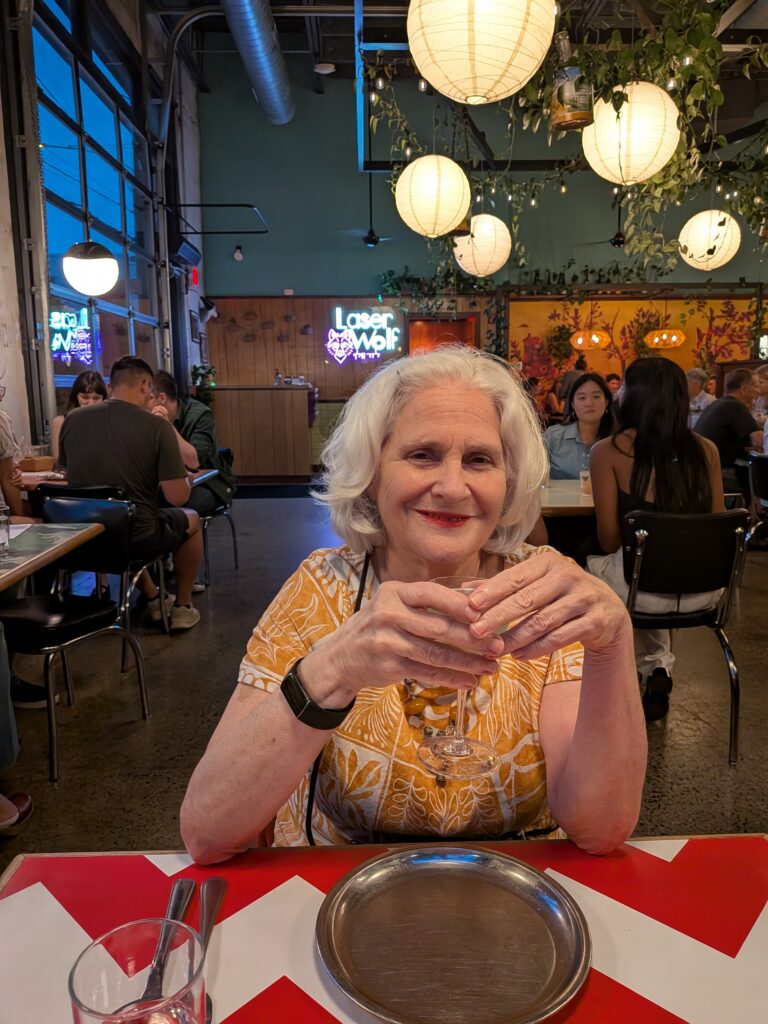
Image: Leah Franqui.
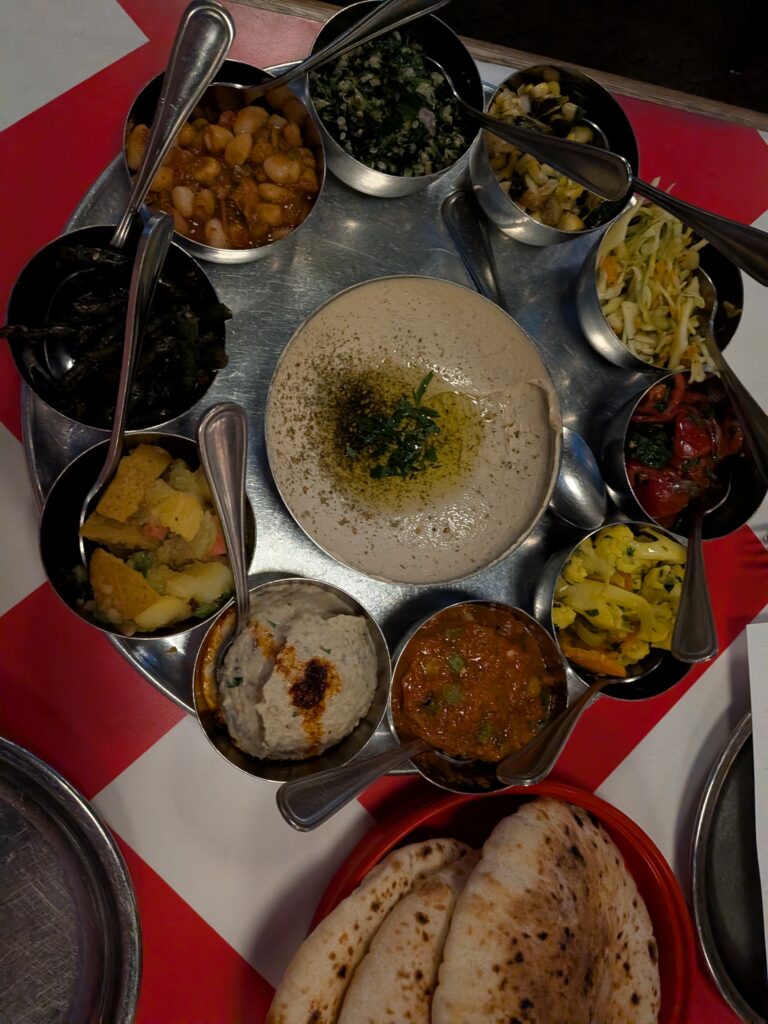
Image: Leah Franqui.
Theatre Ariel has produced theater exploring the Jewish experience since 1990. In West Philadelphia, a Yiddish speakers club has been part of a broader grassroots resurgence of Yiddish as a living, contemporary language.
The Weitzman National Museum of American Jewish History preserves and shares the stories and objects of Jewish Americans, including generations of Jewish Philadelphians. Organizations such as Tribe 12 help connect younger Jewish Philadelphians with the many organizations, communities, and opportunities that make up Jewish life in the region.
Together, these institutions reflect something true throughout Philadelphia’s history: Jewish life here is not one singular experience. It has continually evolved as new generations, traditions, and communities have made the city their home.
Tradition, Family and a Changing City
That evolution happens on a personal scale, too. At the Solo family’s Rosh Hashanah table, Leah Franqui and Becca Nichols have made apple cakes using apples from local farmers’ markets, while the family has toasted the New Year with wines from Moore Brothers Wine Company just across the river in New Jersey.

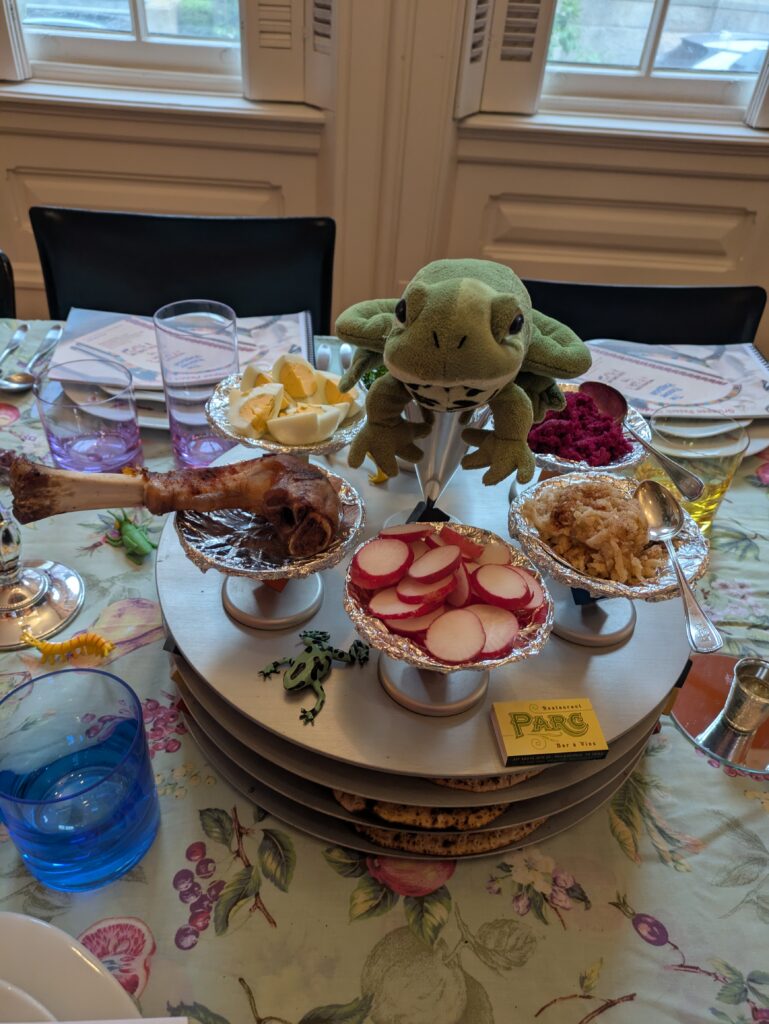
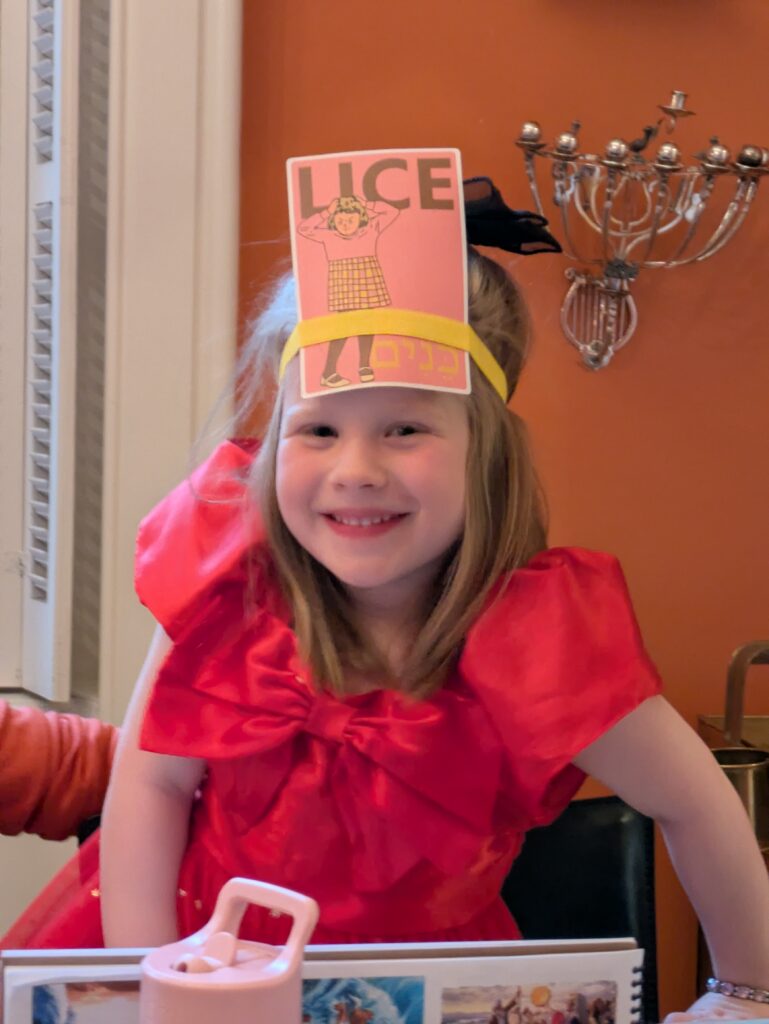
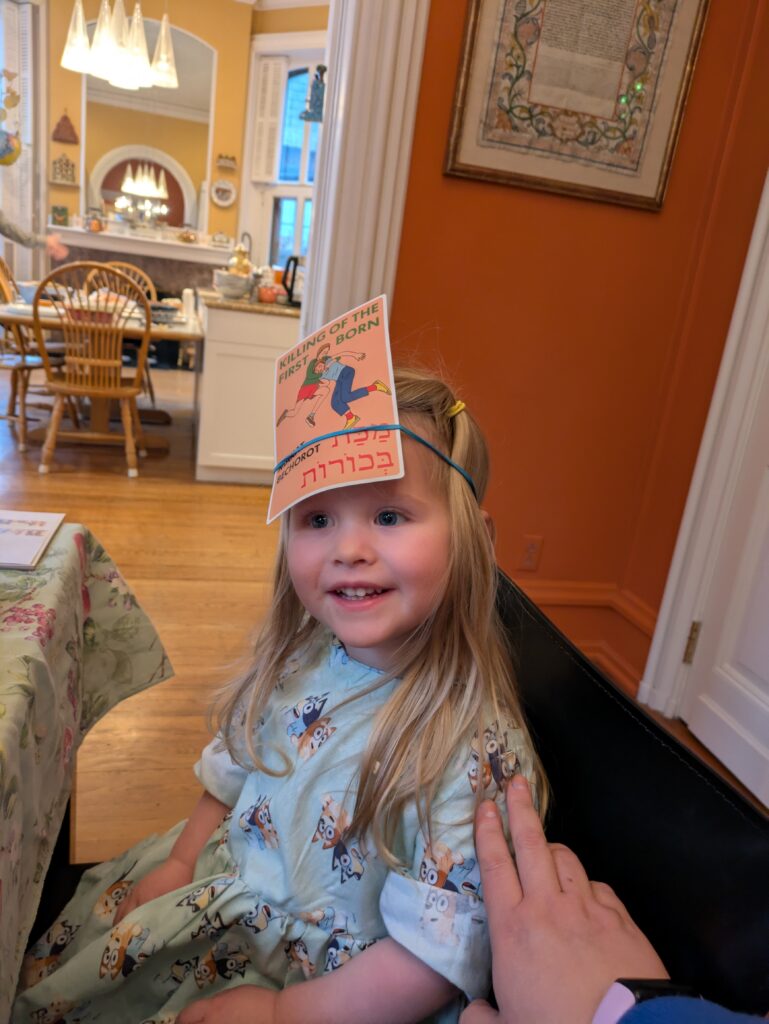
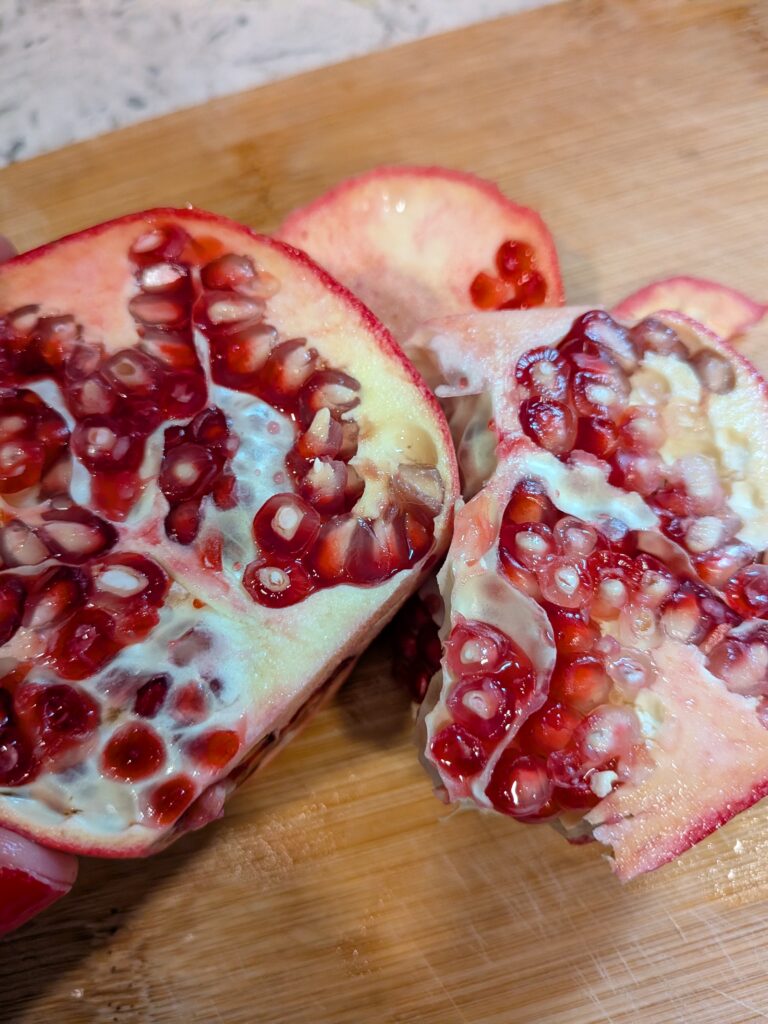
It also remains visible in Philadelphia’s built environment. An 18th-century burial ground tucked into a Center City block, former synagogues woven into South Philadelphia rowhouse streets, grand congregations along North Broad Street, and buildings that have taken on new lives as neighborhoods have changed all offer traces of the communities that gathered there.
That relationship between people, place, and the built environment is at the heart of Solo Real Estate’s Cultural Histories series. We’ve explored Philadelphia’s story before European settlement through the city’s Lenape roots, traced the influence of Black culinary trailblazers and the birth of Philadelphia’s catering industry, and looked at how the Puerto Rican diaspora has shaped Philadelphia. Each is a different history, but together they reveal how generations of communities have made their mark on Philadelphia’s neighborhoods, institutions, architecture, food, and culture.
For the Solo family, Jewish Philadelphia is both part of that larger history and a lived experience, inherited from earlier generations, carried through family traditions and continually reshaped by the city they call home. More than three centuries after Philadelphia’s first known Jewish residents arrived, that story continues through its neighborhoods, buildings, congregations, and generations.