

City guides
A City of Artists: The Homes of Philadelphia’s Writers, Artists and Activists



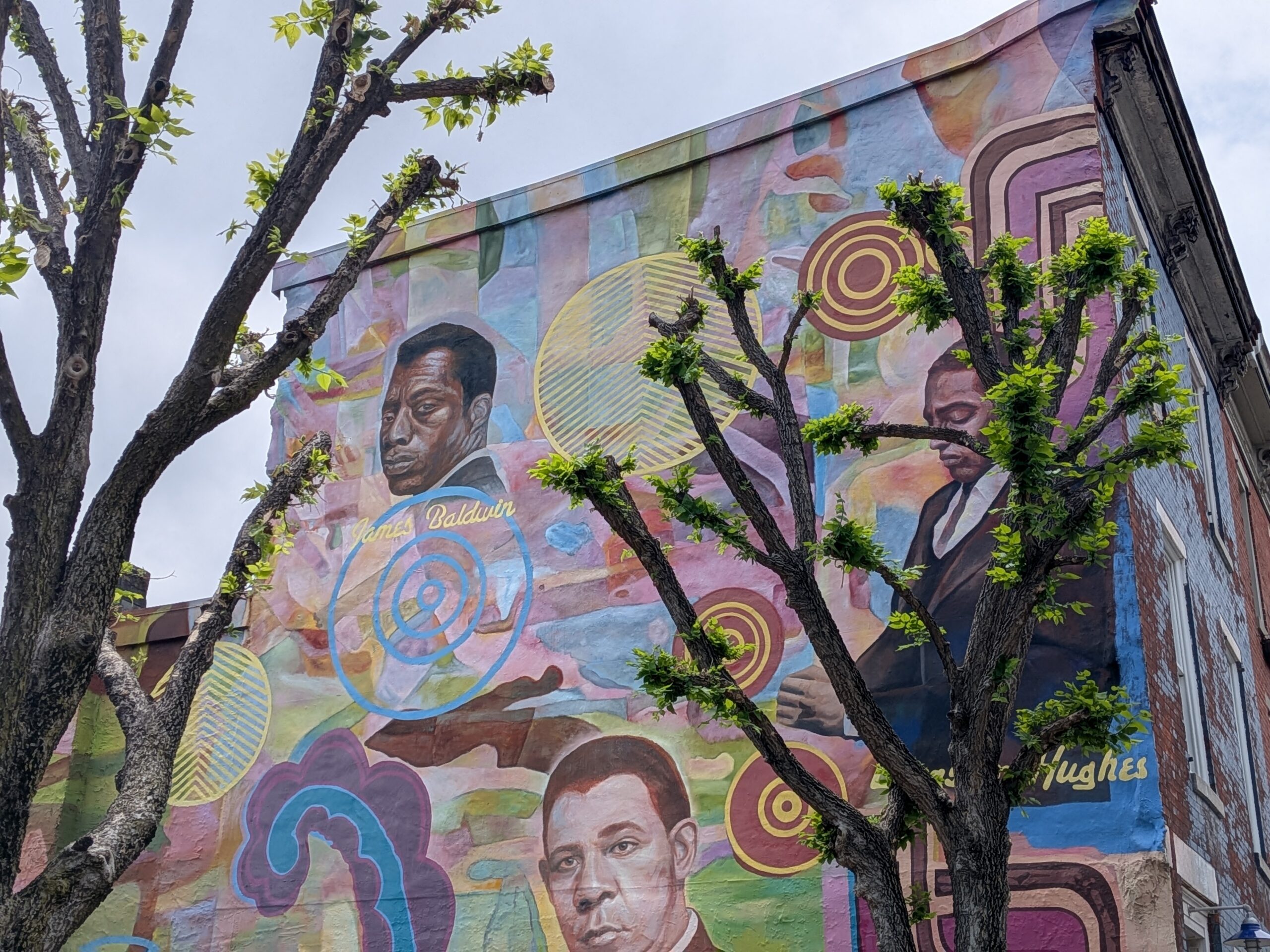
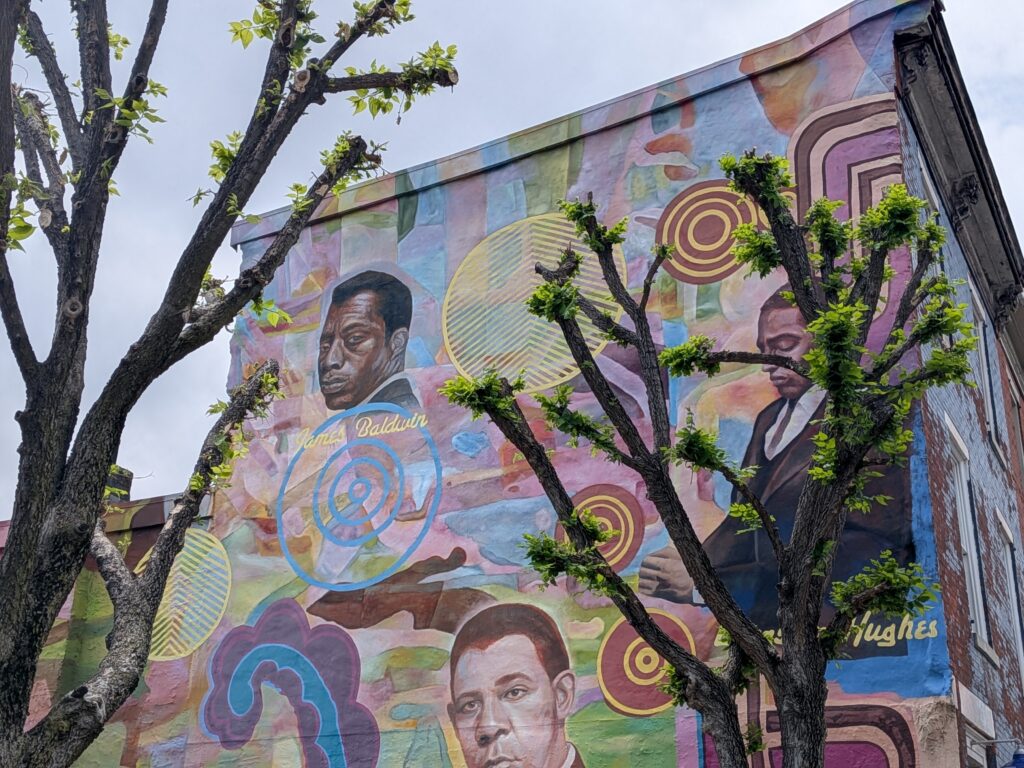
Mural featuring notable Philadelphia Black writers. All Images: Leah Franqui
It’s no secret that Solo Real Estate is bursting with Philadelphia pride. After all, our goal for our tenants, owners, buyers, and even ourselves is to love where you live™. This year, as we celebrate the 250th anniversary of American democracy literally being imagined and written into being here in Philadelphia, it’s the perfect time to consider Philadelphia as an artistic and creative center, where artists, writers, and radical thinkers have imagined new works and new realities for centuries. This is a city that artists of all kinds have long called home, from writers to painters to musicians, and we are lucky to have so many historic spaces preserved that give us chances to explore and celebrate these figures of the city’s artistic past, even as we look to its future and search for creative inspiration ourselves.
The current show at the Philadelphia Museum of Art in honor of our revolutionary summer is called A Nation of Artists, and it begs the question: what is an American artist, or an American art form? We don’t have any uncomplicated answers to that. But we can say that a Philadelphia artist is anyone who has called Philadelphia or the areas surrounding it. We’ll claim them, call them our own, and know they were upstanding jawns who contributed critically to our city’s artistic life. After all, that’s how we feel about the many artists who choose to make their homes in Philadelphia today, and in the future.
Some of the homes of famous artists in and around our city serve as historic landmarks, while others remain spaces that engage with the city’s contemporary art community, but all of them are worth visiting and honoring. You probably already know about the Edgar Allan Poe House, a wonderful visit during spooky season and beyond. Here is a list of some of our other absolute favorites:
The Paul Robeson House and Museum
Artist, activist, orator, lawyer, and athlete Paul Leroy Robeson was a truly towering figure in the history of our city, quite literally. Born in 1898 in Princeton, NJ, to a formerly enslaved father and a freeborn Quaker mother, Robeson’s storied life and many successes led him towards fame as an actor and notoriety as a Communist and political dissident. His sister Marian Forsthye’s home at 4951 Walnut Street became a haven for Robeson towards the end of his life. This house, built in 1911 by architect E. Allen Wilson, is where he spent the last 10 years of his life. Purchased by the West Philadelphia Cultural Alliance in 1994, the house is now a museum and cultural center celebrating Robeson’s life and impact locally and nationally.
The Thomas Eakins House
Built for Benjamin Eakins, Thomas’ father, in 1854, and purchased by him in 1857, this house, located at 1727-29 Mount Vernon Street, was Thomas Eakins’ home and studio for most of his life. Eakins remains a towering figure in Philadelphia’s history. He’s well known for his art, including his many depictions of oarsmen rowing on the Schuylkill that feel startlingly contemporary, and his iconic massive depiction of Dr. Samuel Gross in the recently restored Gross Clinic, now on display at the Philadelphia Museum of Art. But Eakins’ position as professor, and eventually, director of the Pennsylvania Academy of Fine Arts cemented him as an integral part of the culture of art-making in Philadelphia.
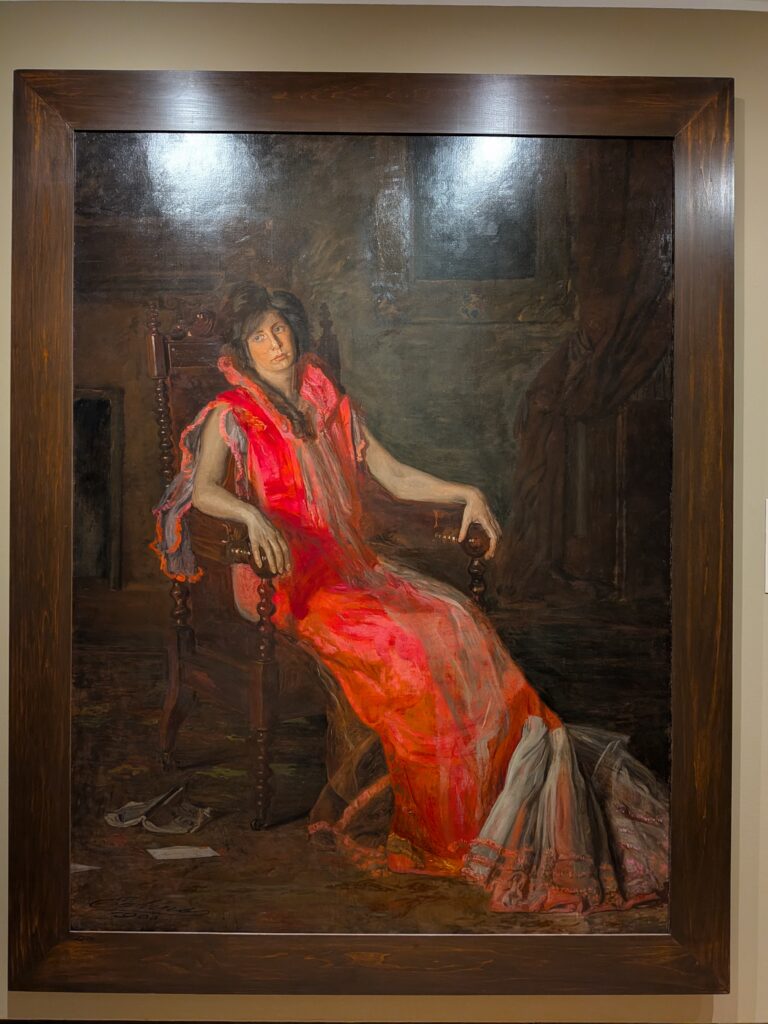
Not only was this house a vital part of this celebrated Philadelphia-based artist’s life, but it remains essential in Philadelphia’s contemporary moment, serving as the headquarters for the Mural Arts Program. When you walk by this house, you’re witnessing the convergence of the past, present, and future of Philadelphia’s visual art culture.
The Arkestral Institute of Sun Ra
Recently designated as a historic landmark in 2022, 5626 Morton Street, the house of celebrated paradigm-shifting Jazz Composer and Bandleader Sun Ra, built in 1880 in Germantown, was the artist’s home from 1968 until his passing in 1993. However, the house remains a home to members of the contemporary jazz collective, Sun Ra’s Arkestra. Listen to their music as you take a walk by and let the Afrofuturistic vibes flow through you.

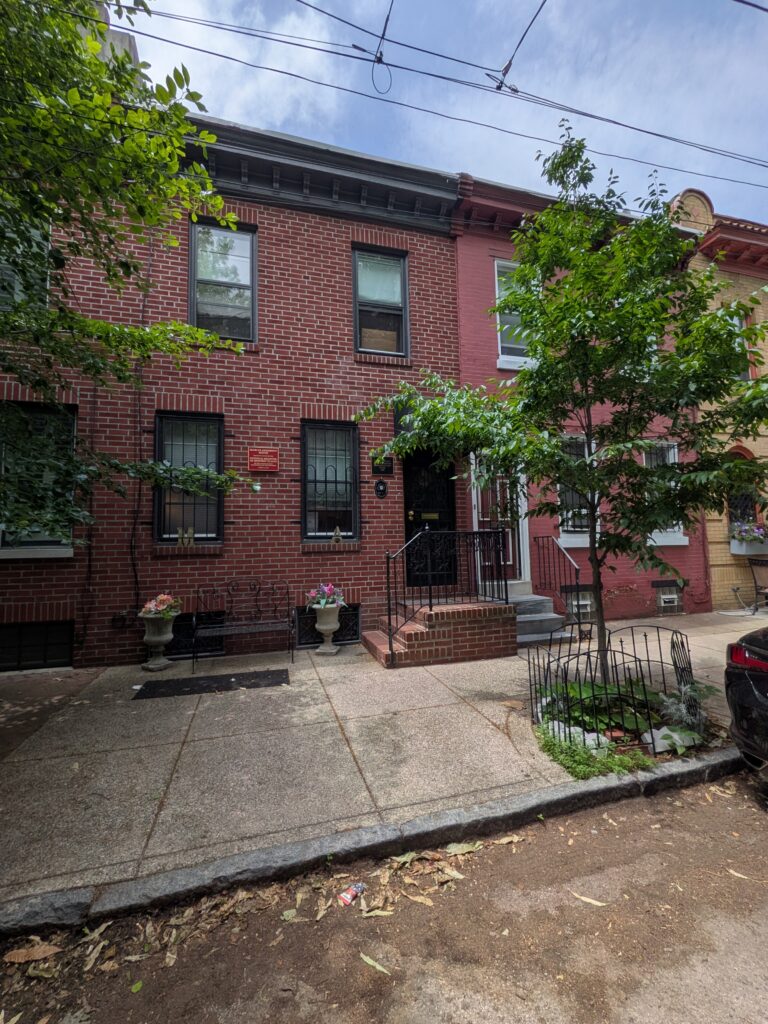
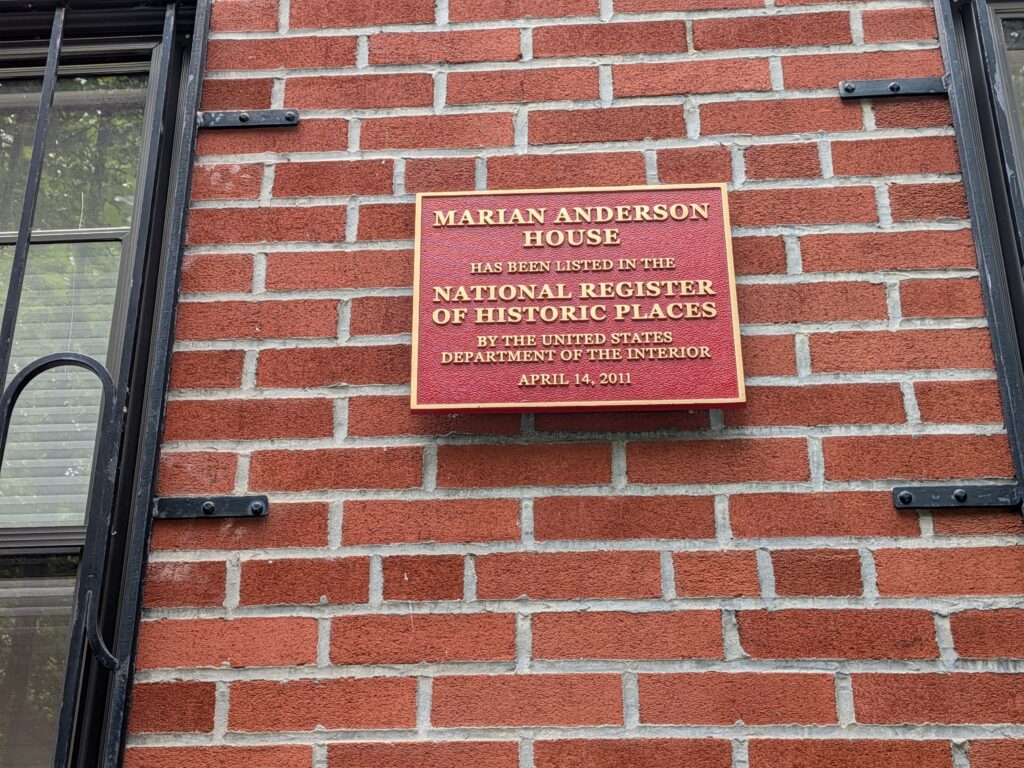
The Marian Anderson Museum and Historical Society
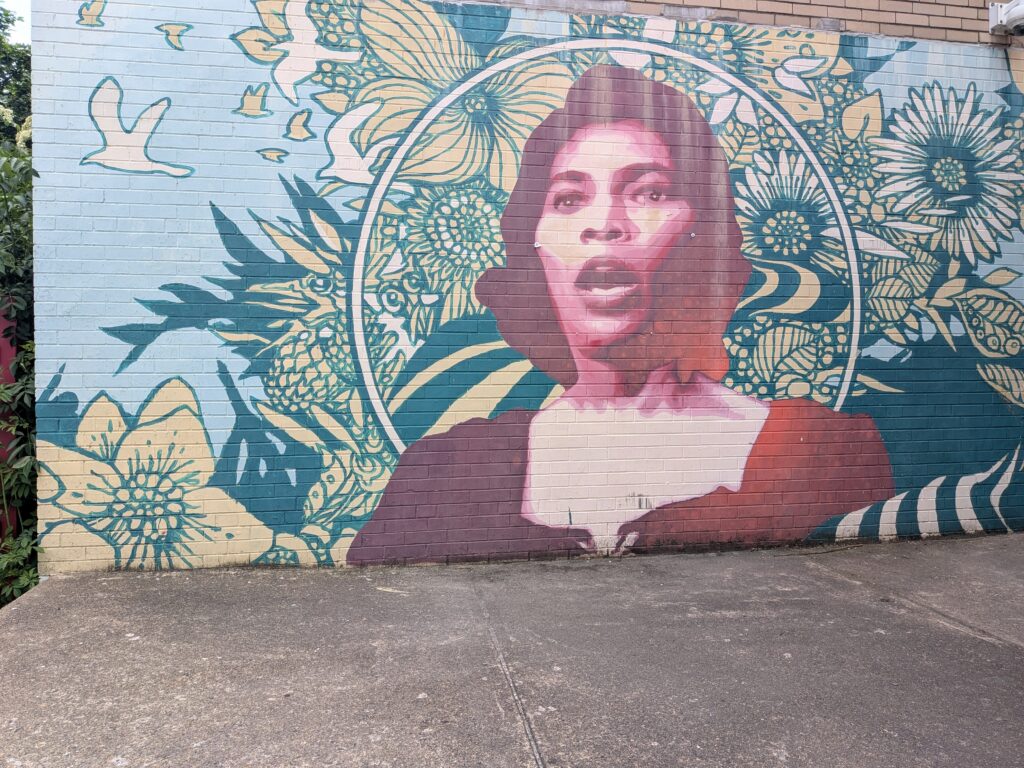
Built in the 1870s at 762 South Martin Street, this house was purchased by singer and activist Marian Anderson in 1924 and remained her home until 1943. Anderson, a contralto and groundbreaker, was the first African American singer to perform with the Metropolitan Opera in 1955. Earlier, in 1939, when the Daughters of the American Revolution had refused to allow Anderson to sing to an integrated audience in Washington, D.C., Anderson, with the support of Eleanor and Franklin D. Roosevelt, performed an open-air concert instead on the steps of the Lincoln Memorial. A delegate for the United Nations Human Rights Committee and a Goodwill Ambassador for the US State Department, Anderson was a strong and magnificent voice in the fight for civil rights during her lifetime, in every way possible. Stop by the museum to learn more about her amazing life and legacy.

The Wharton Esherick Museum
A little far afield, but worth the trip, is the Wharton Esherick Museum at 1520 Horseshoe Trail, Malvern, PA, which features Esherick’s studio, which he hand-built for himself. The original farmhouse, built in 1839, was purchased by Esherick in 1913, and Esherick spent 40 years constructing his studio space in his trademark style, combining design movements like Arts and Crafts and expressionism and reclaiming wood for construction. A wood sculpture, furniture maker, designer, and visual artist, Esherick’s work was world-renowned and marked with joy and discovery, celebrating wood as a material in all its forms. A favorite series of ours includes music stands made from paint stirring sticks reclaimed from hardware stores.

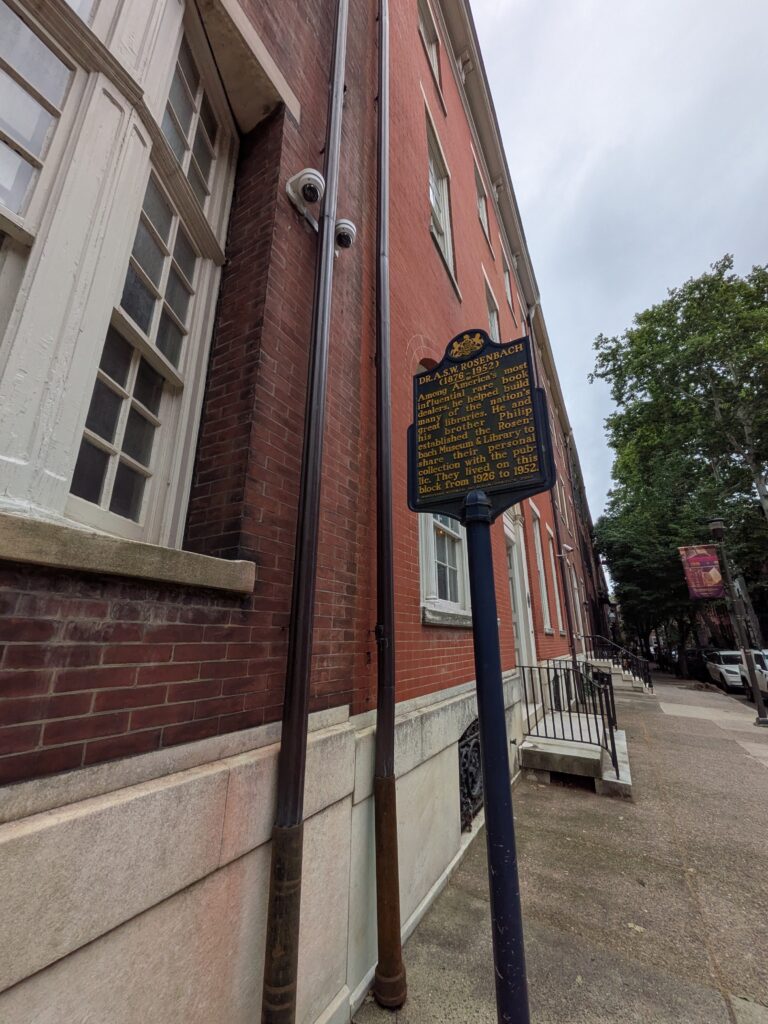
The Rosenbach Museum
While not technically a writer’s residence, this townhouse built in 1865 at 2100 Delancy was the home of Dr. A.S.W. Rosenbach and his brother, Phillip Rosenbach. Art and book dealers, these hugely influential bibliophiles are a big part of the development of some of the most important private collections of books in our country, including the Folgers and Huntington Libraries. Their personal collection, which includes the first edition of Benjamin Franklin’s Poor Richard’s Almanac, James Joyce’s original manuscript for Ulysses, Bram Stoker’s notes for Dracula, and so many more amazing pieces, remains in Philadelphia at their former home and is available for the public to visit at the museum. This treasure trove of literature is a vital contribution to Philadelphia’s artistic community. Every year on June 16th, museum members and members of the public gather for a public reading of Ulysses in front of the museum, with events and celebrations to mark Bloomsday, all free and available to anyone interested.
The Black Writer’s Museum
The only museum of its kind in the country, while also not a Philadelphia artist’s former home, this museum at Historic Vernon House, 5800 Germantown Avenue, is a celebration of classical and contemporary Black writers and their work. It features important archives and collections from donors available for researchers, as well as a collection available for all visitors to see, and events through the year like poetry readings, book signings, school programs, seminars, and traveling exhibitions, all aimed at helping visitors engage with the rich and diverse voices of Black writers through history and today. The museum also sponsors the People’s Poetry and Jazz Festival, a longstanding Germantown institution and a joyous celebration of art and culture in Vernon Park.
Philadelphia’s artistic legacy isn’t confined to museums, archives, or historic markers. It lives on in the neighborhoods where people continue to write, paint, perform, organize, and imagine new possibilities every day. These homes, studios, and gathering places remind us that creativity is rooted in community and that the places we inhabit shape the stories we tell. As Philadelphia marks 250 years of revolutionary ideas, these landmarks offer more than a glimpse into the past. They invite us to consider what kind of city we want to create next, and how the artists, writers, musicians, and activists of today will leave their mark on the Philadelphia of tomorrow. At Solo Real Estate, we believe that loving where you live means understanding the people who helped make it extraordinary.


